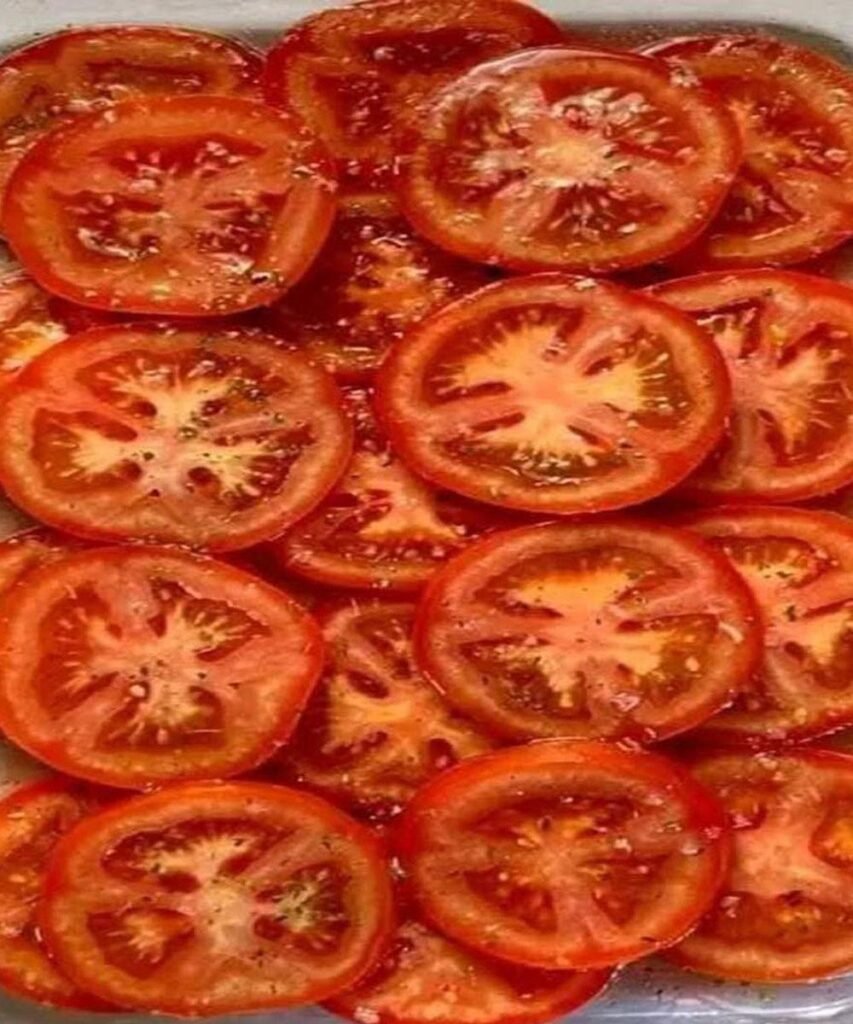
Tomatoes are everywhere.
They sit quietly in salads, sauces, sandwiches, soups, and sauces again. They’re sliced, blended, roasted, canned, and crushed. Most people use them almost automatically, without thinking much about what they offer beyond flavor.
Yet few everyday foods combine nutrition, versatility, and accessibility as effectively as tomatoes do.
They aren’t just a kitchen staple. They’re one of the most quietly valuable ingredients in modern diets.
What Makes Tomatoes Nutritionally Unique
Tomatoes look simple, but their internal composition is unusually rich.
They contain:
- Lycopene, a powerful antioxidant
- Vitamin C for immune support
- Potassium for heart function
- Folate for cell health
- Vitamin K for bone support
What makes them special is not any single nutrient, but how these compounds work together.
They form a protective network that supports long-term health rather than short-term stimulation.
Lycopene: The Compound That Sets Tomatoes Apart
Lycopene is responsible for tomatoes’ red color. It’s also one of the most studied plant compounds in nutrition research.
Studies associate lycopene intake with:
- Cardiovascular support
- Cellular protection
- Reduced oxidative stress
- Better metabolic balance
Unlike many nutrients, lycopene becomes more bioavailable when tomatoes are cooked. This means tomato sauce and paste often deliver more of it than raw tomatoes.
Few foods improve when processed. Tomatoes are one of the exceptions.
How Tomatoes Support Heart Health
Heart health depends on more than cholesterol numbers.
Inflammation, blood pressure, and oxidative stress all play roles. Tomatoes influence all three.
Their potassium supports blood vessel regulation. Their antioxidants reduce cellular strain. Their fiber supports metabolic stability.
Regular consumption doesn’t “fix” heart problems, but it contributes to long-term protection.
That distinction matters.
Tomatoes and Skin Health
The skin reflects internal conditions.
Hydration, circulation, and nutrient intake shape how it ages. Tomatoes influence each factor.
Lycopene helps protect against environmental damage. Vitamin C supports collagen production. Water content improves hydration.
Over time, these small inputs accumulate into visible effects.
Skin health is rarely about one product. It’s about consistent nourishment.
Why Tomatoes Work in So Many Cuisines
From Italian to Middle Eastern to Asian cooking, tomatoes appear everywhere.
That’s not coincidence.
Their natural balance of acidity, sweetness, and umami allows them to:
- Enhance savory dishes
- Brighten heavy meals
- Balance fats
- Deepen sauces
They adapt to other flavors rather than competing with them.
Few ingredients do this as reliably.
Fresh vs. Canned vs. Cooked: What Actually Matters
Many people assume “fresh” is always best.
With tomatoes, it’s more nuanced.
Fresh tomatoes provide hydration and vitamin C. Cooked tomatoes provide more accessible lycopene. Canned tomatoes offer consistency and convenience.
Each form has value.
The healthiest choice is the one you’ll actually use regularly.
How Tomatoes Support Digestion
Tomatoes contain mild acids and fiber that stimulate digestive processes.
They help:
- Encourage enzyme activity
- Support gut motility
- Reduce bloating for many people
For most individuals, they’re easy to digest. That makes them ideal for daily meals.
However, people with acid sensitivity may need moderation.
Nutrition is personal, even with healthy foods.
Why Tomatoes Fit Almost Any Diet
Few foods adapt to different eating patterns as well as tomatoes.
They work in:
- Vegetarian diets
- Mediterranean diets
- Low-calorie plans
- High-protein meals
- Plant-based nutrition
They add flavor without adding heaviness.
This makes them especially valuable for sustainable eating habits.
The Psychological Role of Familiar Foods
Food isn’t only nutritional.
It’s emotional.
Tomatoes appear in comfort meals: pasta sauce, soup, stew, pizza, sandwiches. These dishes create feelings of stability and satisfaction.
That emotional component influences eating behavior.
Foods that feel familiar are easier to include consistently.
Consistency matters more than perfection.
Storage and Preparation: Small Choices, Big Impact
How tomatoes are handled affects their value.
Simple practices help:
- Store ripe tomatoes at room temperature
- Refrigerate only when necessary
- Use gentle heat when cooking
- Avoid excessive processing
These steps preserve both flavor and nutrients.
Care improves outcomes.
Why Tomatoes Remain Relevant in Modern Nutrition
Nutrition trends change constantly.
Superfoods rise and fall. Supplements come and go. Exotic ingredients cycle through popularity.
Tomatoes never disappear.
They remain relevant because they work — nutritionally, practically, and culturally.
They don’t promise miracles.
They deliver reliability.
The Role of Accessibility in Health
One reason tomatoes matter is availability.
They’re affordable.
They’re global.
They’re easy to prepare.
They’re familiar.
Health improves when good food is accessible.
Tomatoes meet that requirement.
Common Myths About Tomatoes
Several misconceptions persist.
Myth: “They’re just water.”
Reality: They’re nutrient-dense.
Myth: “Canned is unhealthy.”
Reality: Often nutritionally strong.
Myth: “They don’t fill you.”
Reality: They enhance satiety when paired well.
Understanding prevents unnecessary avoidance.
The Calm Takeaway
Tomatoes aren’t trendy.
They don’t promise instant transformation.
They don’t dominate headlines.
They simply support the body quietly, consistently, and affordably — meal after meal, year after year.
They nourish without demanding attention.
In a world of nutritional noise, that reliability is rare.
Sometimes the most powerful foods are the ones we’ve always had — waiting to be appreciated again.