For many people, it starts quietly.
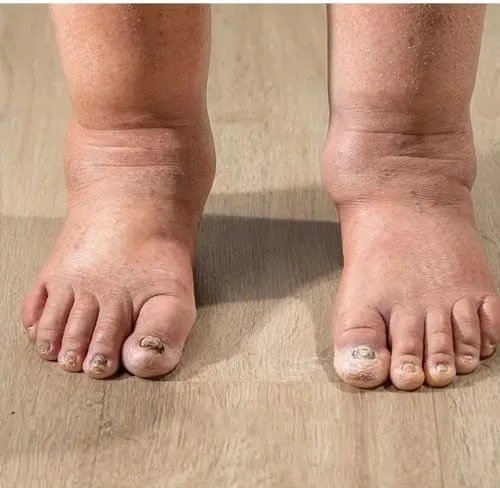
By the end of the day, shoes feel tighter. Socks leave deeper marks. Ankles look slightly puffier than usual.
At first, it seems harmless.
“Probably just tired.”
“I’ve been on my feet all day.”
“It’ll go away by morning.”
And often, it does.
But when ankle swelling becomes frequent—especially in the evenings—it can be more than simple fatigue. In some cases, it’s an early signal that something deeper is happening inside the body.
What Causes Ankles to Swell?
Swelling in the ankles, medically known as peripheral edema, happens when excess fluid builds up in tissues.
Gravity plays a role.
Throughout the day, fluid naturally moves downward in the body. When circulation or drainage systems aren’t working efficiently, that fluid settles in the feet and ankles.
By evening, the buildup becomes visible.
The Body’s Fluid Balance System
Under normal conditions, your body constantly regulates fluid through:
- The heart (pumping blood)
- The kidneys (filtering waste and water)
- The veins (returning blood upward)
- The lymphatic system (draining excess fluid)
When any part of this system weakens, swelling can appear.
When Swelling Is Usually Harmless
Not all ankle swelling is dangerous.
In many cases, it’s linked to everyday factors.
Common Non-Serious Causes
These include:
- Standing or sitting for long hours
- Hot weather
- Minor injuries
- Pregnancy
- Temporary dehydration
- High salt intake
In these situations, swelling usually fades with rest, hydration, or elevation.
It’s occasional, mild, and short-lived.
When Swelling Becomes a Warning Sign
Persistent or worsening swelling is different.
It suggests that fluid isn’t moving properly through the body anymore.
That’s when attention is needed.
Possible Underlying Conditions
Chronic ankle swelling may be connected to:
Heart Issues
When the heart weakens, it pumps less efficiently. Blood backs up in the veins, causing fluid to leak into surrounding tissues.
This often shows up first in the legs and ankles.
Kidney Problems
Kidneys regulate fluid balance. If they aren’t working well, excess water and sodium remain in the body, leading to swelling.
Liver Disorders
Liver disease can disrupt protein production, affecting pressure in blood vessels and allowing fluid to escape into tissues.
Venous Insufficiency
Weak or damaged leg veins struggle to push blood upward. Blood pools in the lower legs, increasing pressure and fluid leakage.
Lymphatic Blockage
If lymph vessels are blocked or damaged, fluid cannot drain properly, resulting in long-term swelling.
Patterns That Matter More Than Size
It’s not just about how swollen your ankles look.
It’s about patterns.
Doctors often pay close attention to:
- Swelling that appears daily
- Swelling that worsens over time
- Swelling in both legs
- Swelling combined with fatigue or shortness of breath
- Swelling that doesn’t improve overnight
These patterns suggest systemic issues rather than temporary strain.
Why Evening Swelling Is Especially Important
Swelling that peaks in the evening reflects how your body handles stress during the day.
It shows what happens after:
- Hours of circulation
- Repeated gravity pressure
- Physical activity
- Fluid intake
If your body cannot compensate by nighttime, it signals reduced efficiency.
In other words, your internal systems are struggling to keep up.
Medications and Hidden Contributors
Sometimes, swelling isn’t caused by disease—but by treatment.
Certain medications can trigger fluid retention.
These include:
- Blood pressure drugs
- Hormone therapies
- Anti-inflammatory medicines
- Some diabetes medications
Without realizing it, people may blame age or lifestyle while medication is quietly contributing.
How Lifestyle Can Worsen the Problem
Daily habits also influence swelling.
Factors That Increase Fluid Retention
- Excess salt consumption
- Lack of movement
- Prolonged screen time
- Poor hydration
- Obesity
- Smoking
Over time, these habits strain circulation and drainage systems.
The body adapts—until it can’t.
When to Seek Medical Advice
Not every swollen ankle requires a doctor’s visit.
But certain signs should not be ignored.
Warning Signals
You should seek medical evaluation if swelling is:
- Sudden and severe
- Painful
- Accompanied by chest discomfort
- Paired with breathing difficulty
- Present on only one side
- Getting progressively worse
These may indicate serious conditions that require immediate care.
Simple Steps That May Help Early On
In mild cases, small adjustments can reduce swelling.
These include:
- Elevating legs in the evening
- Staying hydrated
- Reducing salt intake
- Taking short walking breaks
- Wearing supportive footwear
- Maintaining a healthy weight
These steps support circulation and fluid balance.
However, they are not substitutes for medical evaluation when symptoms persist.
Why Many People Ignore This Sign
Ankle swelling is easy to dismiss.
It’s painless.
It’s gradual.
It comes and goes.
People normalize it.
They assume it’s part of aging, work, or stress.
But many chronic conditions begin quietly. They don’t announce themselves loudly.
They whisper first.
A Calm Conclusion
Swollen ankles in the evening are not always a cause for alarm.
But when they become routine, they deserve attention.
They may reflect how well your heart, kidneys, veins, and circulation systems are functioning together.
In many cases, they are the body’s early attempt to signal imbalance—before serious symptoms appear.
Listening to those signals early allows for better outcomes later.
And sometimes, noticing small changes makes the biggest difference.