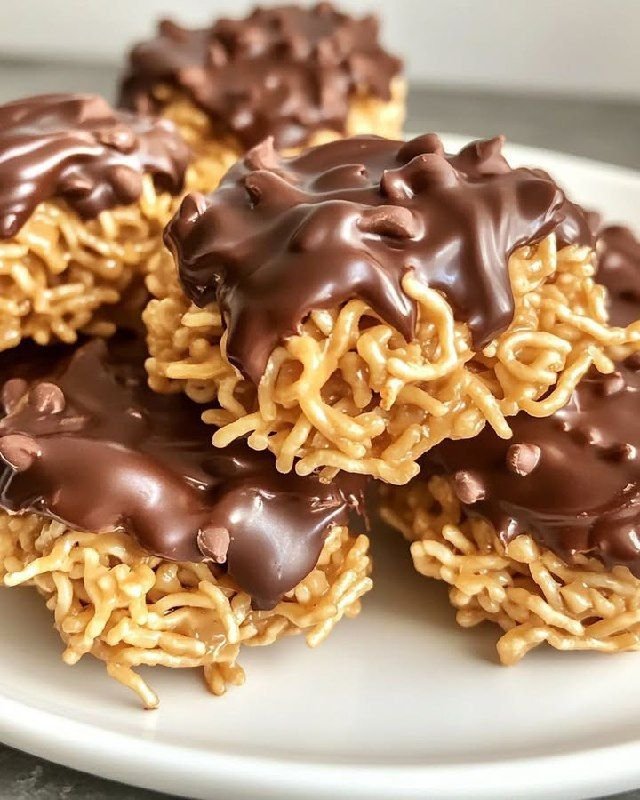
Have you ever opened a bag “just for a few bites”…
…and suddenly realized it’s empty?
No memory of when you kept eating.
No clear moment of stopping.
Just crumbs and regret.
It happens to almost everyone.
And it’s not about willpower.
It’s about how certain foods are designed to affect your brain and body.
The Science Behind “Just One More Bite”
Some snacks don’t satisfy hunger.
They activate craving.
These foods are carefully balanced to hit three powerful triggers at once:
- Fat
- Salt
- Sugar
When combined in the right ratio, they stimulate dopamine—the brain’s reward chemical.
Dopamine doesn’t make you feel full.
It makes you want more.
That’s why you keep reaching back into the bag.
Why “Snack Attacks” Happen at Certain Times
Most intense cravings don’t happen randomly.
They follow patterns.
Late at Night
Fatigue lowers self-control.
Your brain wants quick comfort.
Snacks deliver it instantly.
During Stress
Stress increases cortisol.
Cortisol increases appetite.
Your body looks for fast energy.
When You’re Bored
Boredom creates restlessness.
Eating becomes stimulation.
Snacking becomes emotional regulation.
Not hunger management.
Ultra-Processed Foods and Appetite Confusion
Many popular snacks are ultra-processed.
That means they’re engineered for:
- Long shelf life
- Maximum flavor
- Minimal satiety
They digest quickly.
Spike blood sugar.
Drop it soon after.
Your body thinks it’s still hungry.
So you eat again.
This cycle can repeat for hours.
Texture Matters More Than You Think
Crunch.
Creaminess.
Snap.
Melt.
These textures play psychological roles.
Crunch = satisfaction
Creamy = comfort
Melting = speed
When food disappears quickly in your mouth, your brain doesn’t register fullness in time.
You eat more before noticing.
That’s not accidental.
It’s design.
Portion Illusion and Packaging Tricks
Packaging influences behavior more than taste.
Large bags = more eating
“Family size” = permission
Resealable = false security
When food isn’t portioned, your brain doesn’t know when to stop.
You stop when the container ends.
Not when you’re full.
Why “Healthy Snacks” Can Be Just as Addictive
Granola bars.
Trail mix.
Protein bites.
Fruit snacks.
Many “healthy” options are still loaded with sugar and fats.
They feel virtuous.
So you eat more.
Psychologists call this moral licensing.
“I ate something healthy, so I can keep going.”
And you do.
The Blood Sugar Roller Coaster
After sugary snacks:
Blood sugar rises fast.
Insulin spikes.
Blood sugar crashes.
Crash = fatigue + hunger.
So you crave again.
This cycle creates “snack dependence.”
You’re not weak.
Your metabolism is being manipulated.
The Role of Childhood Conditioning
Many people learned early:
Snack = reward
Snack = comfort
Snack = celebration
As children, treats were given for good behavior.
That association stays.
As adults, stress replaces parents.
Snacks replace approval.
The pattern continues unconsciously.
Why Some People Are More Vulnerable
Not everyone reacts the same way.
Some people are more sensitive to reward signals.
This includes those who:
- Have high stress jobs
- Struggle with sleep
- Experience anxiety
- Have irregular meals
- Skip breakfast
When the body lacks stability, it seeks quick fixes.
Snacks become medicine.
Temporary medicine.
What Happens After You Overeat Snacks
After a binge-like snack session, many feel:
- Bloated
- Tired
- Irritable
- Guilty
- Foggy
This isn’t just psychological.
It’s biochemical.
Your body is trying to rebalance sugar, fat, and insulin levels.
That takes energy.
You feel drained.
Breaking the “Devour Everything” Pattern
You don’t need extreme diets.
Small changes matter more.
Eat Real Meals
Balanced meals reduce cravings.
Protein + fiber + fat = stability.
Pre-Portion Snacks
Put them in bowls.
Not bags.
Slow Down
Taste consciously.
Pause between bites.
Hydrate First
Many cravings are dehydration.
Improve Sleep
Poor sleep increases hunger hormones.
Fix sleep.
Cravings drop.
Learning to Enjoy Without Losing Control
The goal isn’t to ban snacks.
It’s to change the relationship.
Enjoying food is healthy.
Losing awareness isn’t.
Mindful eating restores balance.
You still enjoy.
You just stop when satisfied.
The Emotional Layer of Snacking
For many people, snacks fill emotional gaps.
Loneliness.
Pressure.
Frustration.
Overwhelm.
Food offers comfort without conversation.
It never says no.
That reliability makes it tempting.
Recognizing this isn’t weakness.
It’s self-awareness.
Why “Nearly Devoured Them All” Feels Familiar
Articles about irresistible snacks go viral because they reflect reality.
Most readers recognize themselves.
They’ve been there.
On the couch.
In the car.
At midnight.
At work.
It feels human.
Because it is.
Reframing the Experience
Instead of shame, try curiosity.
Ask:
Why did I crave that?
What was I feeling?
What was I missing?
Often, the answer isn’t food.
It’s rest.
Connection.
Relief.
Structure.
Food was just the fastest solution.
A Balanced Way Forward
You don’t need perfect habits.
You need awareness.
Notice patterns.
Respect hunger.
Question cravings.
That’s enough to regain control.
A Quiet Truth About Cravings
Your body isn’t trying to sabotage you.
It’s trying to survive modern life.
With constant stress.
Endless stimulation.
Unlimited access to food.
Sometimes, it overreacts.
Understanding that is the first step to balance.
And once you understand it, snacks stop controlling you.
You start choosing them instead.