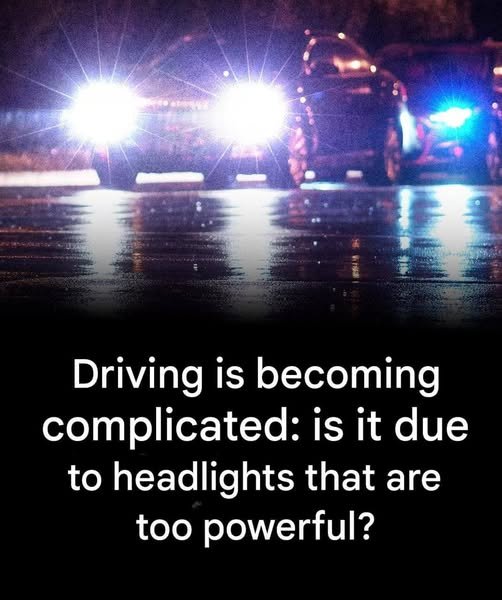
Many drivers have noticed the same thing: night driving feels harder than it used to.
Not just in heavy rain or fog.
Just at night.
Headlights seem dimmer.
Road signs harder to read.
Surrounding cars almost disappear until they’re right in front of you.
This sensation isn’t imagined, and it isn’t random. A mix of physiological, technological, and environmental factors are combining to make night driving more challenging for a growing number of people.
Here’s a breakdown of what’s happening — and why it matters.
How Eyes Work in Low Light
Human vision adapts beautifully to daylight.
But after sunset, our eyes rely more on rod cells, which are sensitive to light but not to color or sharp detail.
At night:
- Contrast perception drops
- Depth perception decreases
- Motion appears less distinct
- Peripheral vision narrows
As a result, identifying objects, signs, or pedestrians becomes tougher — even for drivers with perfect eyesight during the day.
As you age, these changes become more pronounced, but everyone experiences them to some degree.
More Traffic, More Light Sources
Nighttime driving used to mean one primary source of light: headlights.
Today, roads are illuminated by many competing light sources:
- LED streetlamps
- Flashing billboards
- Brighter digital displays
- Glare from other headlights
- Reflections from glossy surfaces
All of these contribute to visual noise — extra light that doesn’t help you see the road but distracts your eye anyway.
Oddly, more light in the environment doesn’t always mean better visibility.
Too much scattered illumination can make it harder for your eyes to adjust to the real hazards ahead.
Headlight Technology Can Be Part of the Problem
Modern headlights — especially LED and HID systems — produce a different type of light than older halogen bulbs. On the plus side, they are brighter and more energy efficient. But the way they emit light can be problematic:
- They cast sharper contrasts that can blind oncoming drivers
- Blue-rich LED light scatters more in the eye, especially in low-light conditions
- Mismatched installation or low-quality bulbs can reduce effective range
What looks bright close up sometimes doesn’t illuminate far ahead as effectively as older systems.
And when drivers overestimate their headlight performance, it leads to a dangerous mismatch: perceived visibility vs. actual visibility.
Aging Eyes Are a Major Factor
As people get older — especially after age 40 — the eyes:
- Require more light to see clearly
- Respond more slowly to changes in brightness
- Develop yellowing lenses (reducing contrast)
- Experience pupil constriction that limits light intake
- Accumulate minor lens opacities that scatter light
These changes don’t require corrective lenses to be noticeable. Many middle-aged and older drivers report that night driving feels increasingly difficult even with 20/20 vision in the daytime.
It’s not just reaction time.
It’s perception itself.
Glare and Contrast Sensitivity
One specific challenge at night is glare sensitivity.
Oncoming headlights — especially high beams and modern LED lamps — can trigger temporary visual discomfort.
When this happens:
- You may squint unconsciously
- Response time slows
- Road edges and hazards blur
- Afterimages linger even after the light has passed
Contrast sensitivity — the ability to distinguish dark objects against a slightly lighter background — also decreases with age and fatigue, compounding the issue.
Fatigue and Circadian Rhythms
Night driving is inherently at odds with our natural sleep–wake cycle.
After dark, the body produces melatonin, a hormone that promotes sleep and decreases alertness.
At the same time, mental fatigue sets in more quickly.
The combination of:
- Biological sleep signals
- Monotonous visual environments
- Reduced peripheral detection
makes it easier for drivers to miss hazards or react late — even if they feel “awake.”
Environmental Conditions Make It Worse
Rain, fog, and even lightly overcast skies scatter light and create additional visual distortion.
Nighttime rain, in particular, can:
- Reflect headlights back toward the driver
- Create temporary “white-out” surfaces
- Mask road markings and hazards
- Increase glare from all light sources
Fog scatters light in all directions, reducing visibility drastically — a phenomenon known as backscatter.
Distracting In-Car Displays and Screens
Modern vehicles are filled with screens.
Navigation. Music. Climate control. Notifications.
At night, these illuminated displays draw attention away from the road and introduce additional sources of visual distraction.
When the eyes shift from a bright screen inside the car to the dark road ahead, they must constantly readjust — leading to brief moments of reduced clarity.
Over long drives, this fatigue accumulates.
Why It Feels Harder Than Before
Even if overall road safety and driver education have improved, several trends make night driving feel more difficult:
- More vehicles on the road, increasing visual complexity
- Greater variety of light sources competing for attention
- Aging populations with reduced low-light vision
- Changing headlight technology with unintended glare effects
- More screen interaction inside vehicles
When you add all these together, the cumulative result is more cognitive load just to perceive basic road information.
That means your brain is working harder — even if you aren’t consciously aware of it.
Simple Steps to Improve Night Visibility
Experts recommend several practical changes to help drivers see better at night:
Adjust your speed — slower speed gives more reaction time when visibility is limited.
Keep your windshield clean — smudges scatter light.
Use anti-reflective coatings on glasses — reduces glare if you wear lenses.
Check headlight aim and cleanliness — misaligned or dirty bulbs drastically reduce range.
Dim dashboard lights — reduces eye adjustment strain between displays and road.
Take breaks on long drives — fatigue impacts perception faster than many people realize.
Understanding these factors can help make nighttime travel safer and less stressful.
When to Seek Professional Advice
If night driving feels increasingly difficult despite corrective lenses, it’s worth discussing with an eye care professional.
Gradual changes in:
- Contrast sensitivity
- Glare recovery
- Peripheral awareness
can be early signs of underlying eye health conditions — and addressing them can improve both safety and comfort.
The Bigger Picture
Night driving challenges are not just about age or technology — they’re about how we interact with our environment.
Visual perception is dynamic, influenced by biology, illumination patterns, cognitive load, and even emotional focus.
By recognizing why traffic visibility feels tougher after dark, drivers can adapt both habits and vehicles to meet these challenges more effectively.
In a world that never sleeps, awareness — not just headlights — keeps the road safe.