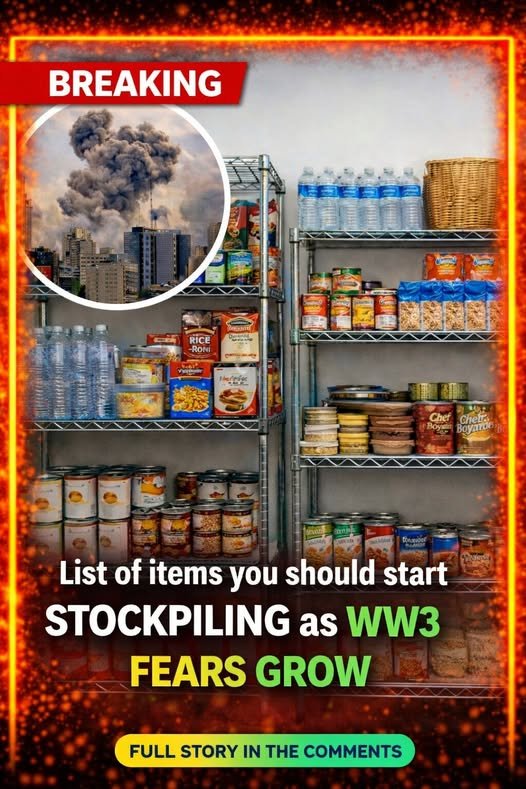
Preparedness often enters public conversations during uncertain times. Whether the concern is extreme weather, supply chain disruptions, or broader geopolitical tensions, many people begin asking a similar question: what should an average household actually keep in reserve?
While dramatic scenarios often dominate headlines, most emergency planning advice focuses on practical, everyday readiness. Governments and emergency management organizations across the world consistently recommend preparing for short-term disruptions rather than extreme worst-case situations.
Understanding which items are truly useful—and why—can help households make calm, practical decisions about preparedness.
The Philosophy Behind Basic Preparedness
Emergency preparedness is not about predicting specific crises. Instead, it centers on the idea that temporary disruptions to normal systems can happen at any time.
Power outages, storms, transportation delays, or infrastructure problems can interrupt access to basic services. When that happens, having a few essential items available can make a significant difference in comfort and safety.
Preparedness experts often describe this as building “short-term resilience.” The goal is to ensure that households can function independently for several days if necessary.
Water: The Most Essential Resource
Among all preparedness recommendations, water is consistently listed as the most important supply.
Access to clean drinking water becomes critical during emergencies when municipal systems may be temporarily unavailable or compromised.
Emergency management agencies commonly recommend storing enough water for at least several days. The typical guideline suggests approximately one gallon per person per day, accounting for both drinking and basic hygiene needs.
Water storage containers designed for long-term use are widely available, but even standard sealed bottles can serve as a temporary reserve.
Non-Perishable Food Supplies
Food storage is another cornerstone of household preparedness.
Non-perishable foods allow families to maintain basic nutrition even when grocery stores or transportation networks experience disruptions.
Preparedness specialists often recommend items that are easy to store, require minimal preparation, and have long shelf lives. Examples include:
- Canned goods
- Dry grains such as rice or pasta
- Protein sources like beans or canned fish
- Shelf-stable snacks or energy bars
The goal is not to stockpile excessive amounts but to maintain a modest reserve that can support a household for a few days.
Lighting and Power Sources
During many emergencies, electrical outages are one of the first challenges people encounter.
Reliable lighting becomes essential for safety and mobility inside homes after dark. Flashlights are commonly recommended because they provide bright, focused illumination while using relatively little battery power.
Battery-powered lanterns or headlamps can also be helpful in situations where hands-free lighting is useful.
In addition to lighting, portable power banks allow phones or small devices to remain operational when electricity is unavailable.
Because communication often depends on these devices, backup power sources are considered an important part of preparedness planning.
First Aid and Basic Medical Supplies
Another critical component of emergency readiness involves basic medical care.
Small injuries can become more difficult to manage when healthcare services are temporarily inaccessible. A well-stocked first-aid kit allows households to address minor issues safely.
Typical kits include items such as:
- Bandages and gauze
- Antiseptic wipes
- Medical tape
- Pain relievers
- Basic medications
Households with specific medical needs may also include prescription supplies or specialized equipment recommended by healthcare professionals.
Communication and Information
During emergencies, access to accurate information can be just as important as physical supplies.
Battery-powered or hand-crank radios have long been recommended because they allow households to receive official updates even if internet or cellular networks are disrupted.
Many modern preparedness kits also include portable chargers for smartphones, ensuring people can maintain contact with family members or emergency services when possible.
Staying informed helps individuals make safe decisions about travel, shelter, or evacuation if necessary.
Hygiene and Sanitation
Although less frequently discussed, hygiene supplies are an important part of emergency readiness.
Disruptions to water systems or waste management can create sanitation challenges. Basic hygiene products help maintain health and comfort during such periods.
Preparedness lists often include items like:
- Soap and hand sanitizer
- Moist wipes or cleaning cloths
- Trash bags for waste management
- Toilet paper and personal hygiene items
These supplies contribute to overall well-being when normal routines are interrupted.
Why Experts Emphasize Practical Planning
Emergency management professionals consistently stress that preparedness should remain practical and proportionate.
The goal is not to accumulate large stockpiles or prepare for extreme scenarios that may never occur. Instead, the focus is on ensuring households can manage temporary disruptions calmly and effectively.
Many preparedness strategies overlap with everyday household planning. For example, maintaining a small pantry reserve or keeping spare batteries available can be useful even outside of emergencies.
Preparedness, in this sense, becomes an extension of ordinary planning rather than a reaction to fear.
Lessons From Past Disruptions
Recent years have provided several reminders of how quickly normal routines can be interrupted.
Severe weather events, infrastructure failures, and unexpected supply shortages have demonstrated the value of having basic resources available at home.
In many cases, households with simple emergency kits found themselves better able to navigate these disruptions without unnecessary stress.
These experiences have reinforced the importance of preparedness as a common-sense practice rather than an extreme precaution.
A Balanced Approach to Readiness
Preparedness ultimately reflects a simple principle: planning ahead can reduce uncertainty during unexpected situations.
By keeping a modest reserve of essential supplies—water, food, lighting, medical items, and communication tools—households gain flexibility when disruptions occur.
These preparations are not meant to anticipate specific global events. Instead, they provide reassurance that basic needs can still be met if normal services are temporarily unavailable.
In a world where occasional disruptions are inevitable, practical readiness offers something valuable: the ability to face uncertainty with calm and confidence.