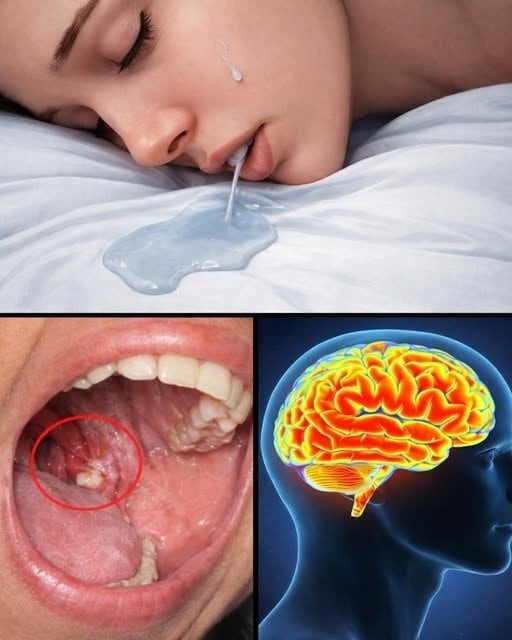
Most people have experienced it at least once: waking up in the morning to discover a damp spot on the pillow. Drooling during sleep is so common that it’s often joked about, but it can still raise questions about what’s happening inside the body overnight.
In many cases, nighttime drooling is completely normal. The muscles that control swallowing relax during sleep, and saliva continues to be produced even when you’re unconscious. When swallowing slows down, saliva may simply escape from the mouth.
However, persistent or excessive drooling can sometimes be connected to underlying conditions. Understanding the possible reasons behind it can help people recognize when it’s harmless and when it might be worth discussing with a healthcare professional.
How Drooling Happens During Sleep
Saliva plays an important role in oral health. It helps lubricate the mouth, protects tissues, and supports digestion. Even while sleeping, the body continues producing saliva to keep the throat and mouth hydrated.
But when the body relaxes during sleep, swallowing becomes less frequent. If saliva builds up faster than it’s swallowed—or if the mouth opens while sleeping—it may flow outward instead of staying inside the mouth.
For most people, this is a natural part of sleep physiology and not a cause for concern.
1. Sleeping Position
One of the simplest explanations for nighttime drooling is the position in which a person sleeps.
Gravity plays a major role. When someone sleeps on their side or stomach, saliva is more likely to flow toward the pillow. Sleeping on the back, on the other hand, tends to keep saliva in the mouth or allow it to drain toward the throat instead.
This is why people who normally sleep on their side may notice drooling more often.
2. Mouth Breathing
Another common cause is breathing through the mouth during sleep.
When nasal passages are blocked due to congestion, allergies, or sinus problems, the body compensates by breathing through the mouth. This keeps the mouth open for long periods, making it easier for saliva to escape.
Even mild nasal blockage from a cold can temporarily increase drooling.
3. Allergies or Nasal Congestion
Conditions that affect the nose and sinuses can also contribute to drooling.
Allergic rhinitis, sinus infections, or chronic nasal congestion make it difficult to breathe comfortably through the nose. As a result, mouth breathing becomes more common during sleep, increasing the likelihood of drooling.
Treating the underlying congestion often reduces the issue.
4. Acid Reflux (GERD)
Digestive issues can also play a role.
Gastroesophageal reflux disease (GERD), a condition where stomach acid moves back into the esophagus, may trigger excessive saliva production as the body tries to neutralize the acid.
This extra saliva can lead to drooling during sleep, particularly when lying down.
People with GERD often notice additional symptoms such as heartburn, throat irritation, or a sour taste in the mouth.
5. Sleep Apnea
Sometimes drooling is linked to sleep-related breathing disorders.
Obstructive sleep apnea occurs when breathing repeatedly stops and starts during sleep. Many people with this condition breathe through their mouth at night, which increases saliva leakage.
Other signs of sleep apnea may include loud snoring, waking up gasping for air, morning headaches, and excessive daytime fatigue.
Because sleep apnea can affect overall health, persistent symptoms should be evaluated by a medical professional.
6. Medications
Certain medications can cause increased saliva production as a side effect.
When the body produces more saliva than usual, drooling becomes more likely during sleep.
If drooling begins soon after starting a new medication, discussing it with a doctor may help determine whether an adjustment is needed.
7. Neurological Conditions
In rare cases, drooling may be related to neurological issues that affect muscle control.
Conditions such as Parkinson’s disease or other disorders that impair swallowing reflexes can cause saliva to accumulate in the mouth.
These conditions are typically accompanied by other symptoms involving movement or coordination.
8. Dental or Oral Health Issues
Problems inside the mouth may also influence saliva flow.
Gum disease, tooth decay, or irritation of oral tissues can stimulate the salivary glands and increase saliva production.
Addressing dental health concerns often helps reduce excessive salivation.
When Drooling Is Usually Harmless
In most situations, drooling while sleeping is nothing to worry about.
It frequently happens due to simple factors such as sleep position, temporary congestion, or relaxed facial muscles during sleep.
If drooling occurs only occasionally and isn’t accompanied by other symptoms, it typically does not require treatment.
When It Might Be Worth Checking
Medical experts suggest paying closer attention when drooling becomes persistent or severe.
For example, if it occurs every night, interferes with sleep quality, or appears alongside symptoms like choking, breathing pauses, or chronic fatigue, it may indicate an underlying issue.
In those cases, a healthcare provider can help determine whether the cause is related to allergies, sleep disorders, digestive problems, or other conditions.
Understanding the Body’s Signals
Drooling during sleep might seem like a minor or even humorous problem, but it offers insight into how the body behaves during rest.
Often, it simply reflects relaxed muscles and normal saliva production. Occasionally, it can point to something deeper—such as breathing difficulties, nasal congestion, or digestive irritation.
Recognizing the difference between normal sleep behavior and persistent symptoms can help people make informed decisions about their health.
Sometimes, a wet pillow is just a side effect of a good night’s sleep. Other times, it’s a quiet signal from the body worth paying attention to.