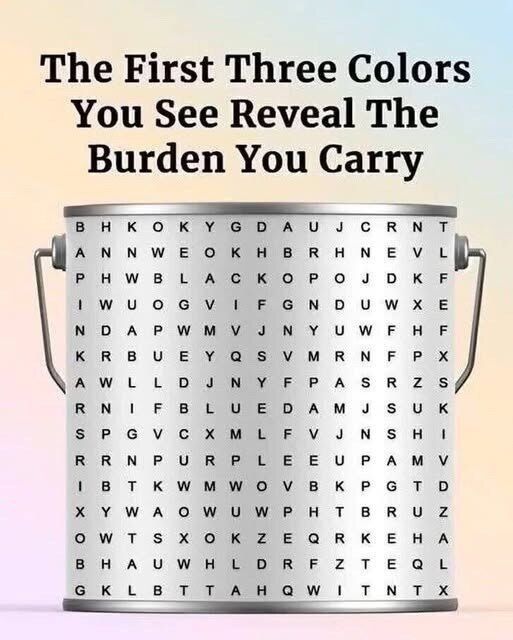
It happens without thinking.
You reach for the same hoodie.
You choose the same phone case.
You gravitate toward certain shades when shopping.
Your home slowly fills with similar tones.
No one tells you to do it.
You just… do.
And over time, those colors begin to tell a story.
Not to others first.
To you.
The Subtle Language of Color in Everyday Life
Most people believe color choices are about taste.
“I just like blue.”
“I’ve always worn black.”
“Green feels nice.”
But psychology suggests something deeper.
Color often reflects emotional needs, not just preferences.
We don’t always choose what looks good.
We choose what feels right.
Especially when life feels uncertain.
How Mood Shapes Color Without Permission
When people are stressed, they often shift toward darker or neutral tones.
When they feel hopeful, lighter shades appear.
When confidence rises, bolder colors return.
These changes happen quietly.
No announcement.
No conscious decision.
Just instinct.
It’s the mind regulating itself through visual comfort.
Blue: The Search for Calm and Stability
People drawn to blue often seek emotional balance.
Blue feels predictable.
Safe.
Reliable.
It mirrors:
- Clear skies
- Still water
- Open space
During stressful periods, many people unconsciously surround themselves with blue — in clothes, screens, rooms, and accessories.
It’s emotional breathing room.
Black: Control, Protection, and Focus
Black is rarely just “fashion.”
For many, it’s armor.
It creates boundaries.
Reduces attention.
Simplifies choices.
People who rely on black often value:
- Independence
- Privacy
- Order
- Emotional control
In difficult times, black offers structure when life feels messy.
White: The Desire for Clarity and Reset
White often appears when people crave a fresh start.
It represents:
- Clean space
- Mental order
- New beginnings
Those drawn to white frequently feel overwhelmed and want simplicity.
Less noise.
Less clutter.
Less emotional weight.
Green: The Need for Balance and Grounding
Green connects to nature, growth, and recovery.
People gravitate toward it when they want:
- Stability
- Health
- Calm progress
- Emotional renewal
It’s common after burnout, illness, or major life changes.
Green signals healing.
Red: Energy, Expression, and Visibility
Red rarely appears by accident.
It’s chosen when people want to be seen.
It reflects:
- Passion
- Confidence
- Determination
- Emotional intensity
Those drawn to red often feel motivated — or want to feel motivated.
It’s courage in color form.
Gray: Safety in Neutrality
Gray is often misunderstood.
It isn’t boring.
It’s protective.
People who prefer gray tend to avoid extremes.
They value:
- Emotional moderation
- Thoughtful decisions
- Low conflict
- Quiet reliability
Gray appears during periods of transition.
When people aren’t sure where they’re going yet.
Yellow: Curiosity and Emotional Openness
Yellow reflects optimism and creativity.
It’s linked to:
- Playfulness
- Imagination
- Social energy
- Hope
People drawn to yellow often want lightness — especially after heavy periods.
It’s emotional sunlight.
Why Preferences Change Over Time
Few people love the same colors forever.
Teenagers choose differently than adults.
Stressed people choose differently than relaxed ones.
Grieving people choose differently than joyful ones.
Color evolves with life.
It tracks emotional seasons.
The Connection Between Environment and Emotion
It’s not just clothing.
Look at:
- Bedroom walls
- Phone wallpapers
- Car interiors
- Workspaces
These spaces reflect inner states.
Cluttered colors often match mental overload.
Soft palettes often match emotional rebuilding.
How Marketers Use This Psychology
Brands understand color deeply.
That’s why:
- Banks use blue
- Luxury brands use black
- Wellness brands use green
- Tech brands use white
They mirror emotional needs.
People respond subconsciously.
When Color Becomes Emotional Regulation
Some people use color to cope.
Wearing calm tones during anxiety.
Using bright colors during sadness.
Choosing neutrals during overwhelm.
It’s self-soothing.
Without therapy.
Without labels.
Without explanation.
Just instinct.
The Role of Memory in Color Attachment
Colors attach to moments.
A childhood bedroom.
A favorite jacket.
A meaningful gift.
A loved one’s home.
Later, the color brings comfort — even when the memory isn’t consciously recalled.
That’s why some shades feel “right” immediately.
They’re familiar emotionally.
Why No Color Choice Is “Wrong”
There is no healthy or unhealthy color.
Only context.
Someone wearing black isn’t depressed.
Someone loving red isn’t aggressive.
Someone choosing gray isn’t dull.
Color reflects needs, not flaws.
How to Use This Awareness Positively
Not to judge.
To understand.
If you notice shifts in your color choices, ask:
- What do I need right now?
- Calm?
- Energy?
- Stability?
- Simplicity?
Often, your wardrobe already knows.
The Calm Takeaway
Color isn’t decoration.
It’s communication.
A quiet conversation between your emotions and the outside world.
Every shade you choose carries a small piece of how you’re feeling — even when you don’t have words for it.
And when you start paying attention, you realize:
You’ve been listening to yourself all along.