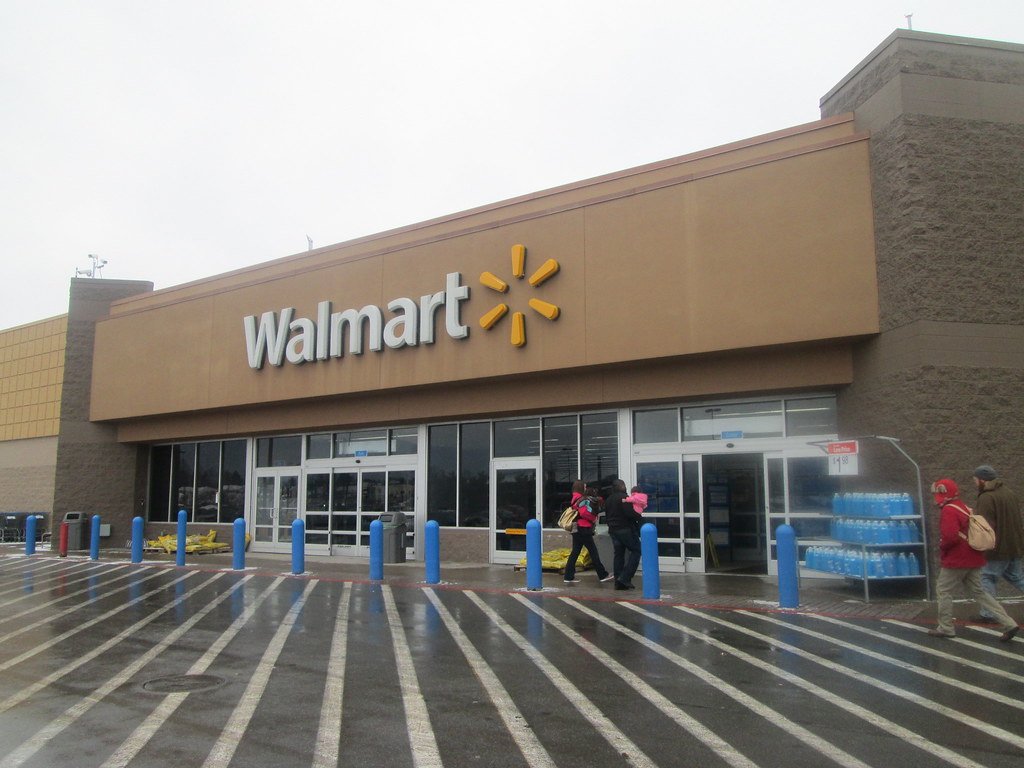
A routine trip to Walmart rarely feels complicated. You walk in expecting convenience, low prices, and a predictable experience. But in recent years, a growing number of issues—from hidden risks to unexpected charges—have changed how some shoppers approach even the most ordinary visit.
So what exactly should people be paying attention to before heading to the store?
The answer isn’t just one thing. It’s a combination of small details that, when overlooked, can lead to frustration—or in some cases, real financial or safety concerns.
The Hidden Risks Most Shoppers Don’t Notice
One of the biggest concerns isn’t visible at first glance.
Security experts have repeatedly warned about card skimming devices being placed on self-checkout machines. These devices are often extremely thin and difficult to detect, quietly collecting payment information from unsuspecting customers.
Even shoppers using modern cards aren’t fully immune. In some cases, machines can be manipulated to force a magnetic swipe instead of a chip transaction—making it easier for scammers to capture sensitive data.
That’s why many experts now suggest simple precautions:
- Prefer tap-to-pay or credit cards over debit cards
- Avoid machines that feel loose or unusual
- Check bank statements regularly after shopping
It’s not about panic—it’s about awareness.
Online Orders Aren’t Always What They Seem
For those who shop through Walmart’s website instead of visiting a store, another issue has been gaining attention.
The company’s online marketplace has expanded rapidly, allowing third-party sellers to list products alongside official Walmart inventory. But that growth has also introduced risk.
Investigations have found cases where counterfeit or mislabeled products were sold through third-party accounts, sometimes even impersonating legitimate businesses.
In some instances, customers believed they were buying directly from Walmart—only to receive items that didn’t match expectations or, worse, could be unsafe.
This doesn’t mean online shopping should be avoided. But it does highlight the importance of:
- Checking the seller, not just the product
- Being cautious with deals that seem unusually cheap
- Verifying product authenticity when it matters
Unexpected Fees and Price Confusion
Another source of frustration comes from pricing—not necessarily the prices themselves, but how they appear.
There have been cases where shoppers reported unexpected fees added during checkout, particularly with delivery or location-based charges.
At the same time, some customers remain skeptical about newer pricing systems, especially digital price tags that can update quickly. While Walmart has stated these are not used for rapid “surge pricing,” concerns about transparency continue to circulate.
The takeaway is simple: always double-check totals before completing a purchase, whether online or in-store.
The Rise of Everyday Scams Targeting Shoppers
Beyond the store itself, scams tied to Walmart’s name have become increasingly common.
Fraudulent messages—often disguised as delivery updates or customer surveys—attempt to trick people into sharing personal or financial information.
Some of the most common tactics include:
- Fake delivery issues requiring payment
- “Free gift card” surveys asking for sensitive data
- Discounted gift cards that have already been drained
These scams rely on familiarity. Because Walmart is a trusted brand, people are more likely to lower their guard.
That’s exactly what scammers count on.
Why These Issues Are Becoming More Common
At first glance, these problems might seem unrelated. But they share a common thread: scale.
Walmart operates at a massive level—both physically and online. As its services expand, so do the opportunities for errors, misuse, and exploitation by bad actors.
This doesn’t mean the system is failing. It means the environment is more complex than it used to be.
For shoppers, that complexity requires a bit more attention than before.
Small Habits That Make a Big Difference
None of these risks are unavoidable. In fact, most can be reduced with simple habits:
- Review receipts before leaving the store
- Use secure payment methods whenever possible
- Be cautious with unfamiliar online sellers
- Ignore unsolicited messages claiming to be from retailers
These steps don’t change the shopping experience—they just make it safer.
The Balance Between Convenience and Awareness
Walmart remains one of the most accessible and widely used retailers in the world. For millions of people, it’s still the go-to place for everyday needs.
But convenience doesn’t eliminate risk—it just makes it easier to overlook.
The shift isn’t about avoiding the store. It’s about understanding how the shopping environment has evolved and adjusting accordingly.
A Different Kind of Preparation
Going shopping used to require a list and a budget.
Now, it also requires awareness.
Not because something is always wrong—but because small details matter more than they once did. Whether it’s checking a payment terminal, verifying a seller, or simply pausing before clicking a link, those moments of attention can prevent much bigger problems later.
A Simple Reality
Most trips to Walmart will still go exactly as expected.
But the ones that don’t tend to follow a pattern—missed details, overlooked warnings, or assumptions that everything is as straightforward as it appears.
Understanding those patterns is what turns a routine shopping trip into a smarter one.
And sometimes, that’s all the difference needed.