It usually starts with something unexpected.
A meal that felt completely normal the night before suddenly raises questions the next morning. A glance, a moment of confusion—and then a quiet realization that something looks… different.
For many people, that moment comes after eating beets.
The deep red color that makes them stand out on a plate doesn’t always stay there. Sometimes, it shows up later in a way that can feel surprising, even alarming if you’re not expecting it.
The Color That Doesn’t Disappear
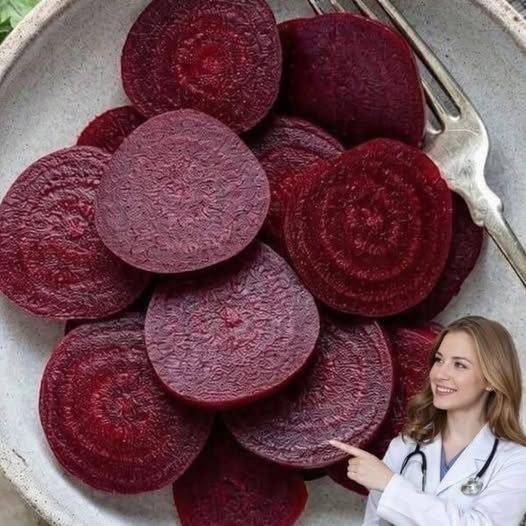
Beets contain natural pigments—rich, intense compounds responsible for their dark red color.
In most cases, the body breaks these pigments down during digestion. But not always.
When that doesn’t happen fully, the pigment travels through the body and eventually exits through urine or stool. The result can be a pink or red tint that looks far more dramatic than it actually is.
For someone seeing it for the first time, it can feel sudden and confusing. But medically, it has a name: beeturia.
A Reaction That Doesn’t Happen to Everyone
Not everyone experiences this.
In fact, only a small percentage of people notice a visible color change after eating beets.
The difference comes down to how each body processes the pigment.
Factors like stomach acidity, digestion speed, and even genetics play a role. Some people break it down completely, while others pass a portion of it through unchanged.
That’s why two people can eat the same meal and have completely different outcomes.
Why It Can Look More Serious Than It Is
The color itself is what causes concern.
Red is often associated with something serious—like blood—so it’s natural for people to react quickly.
But in this case, the explanation is far simpler. The pigment from beets is water-soluble, meaning it can enter the bloodstream and be filtered by the kidneys, temporarily changing the color of urine.
It’s a visual effect, not a harmful one.
And in most cases, it fades within a short period—usually after the body has processed the food completely.
When It’s Worth Paying Attention
Although the effect itself is harmless, context matters.
If the color change happens shortly after eating beets, it’s typically nothing to worry about.
But if it appears without that explanation—or persists longer than expected—it may be worth looking into. Red or pink urine that isn’t linked to food can sometimes indicate other conditions that require attention.
The key difference is timing and consistency.
The Other Side of the Story: Benefits
What makes this reaction interesting is that it comes from something widely considered healthy.
Beets are rich in nutrients, including fiber, vitamins, and natural compounds that support circulation and overall health.
Their nitrates, for example, can help improve blood flow by relaxing blood vessels, which may contribute to better cardiovascular function.
In other words, the same compounds responsible for the color are also part of what makes beets beneficial.
Why the Reaction Feels So Memorable
Part of what makes this experience stand out is how unexpected it is.
Most foods don’t leave such a visible trace after digestion. Beets are one of the few that do, which makes the reaction feel unusual—even if it’s completely normal.
It’s a reminder of how complex the body’s processes are, and how something as simple as a vegetable can produce a noticeable effect.
A Small Detail With a Simple Explanation
In the end, what seems alarming at first usually turns out to be straightforward.
The color, the timing, the suddenness—it all connects back to a natural pigment doing exactly what it’s designed to do.
And once that’s understood, the reaction becomes less of a concern and more of a curiosity.
Because sometimes, the most surprising changes come from the most ordinary things.