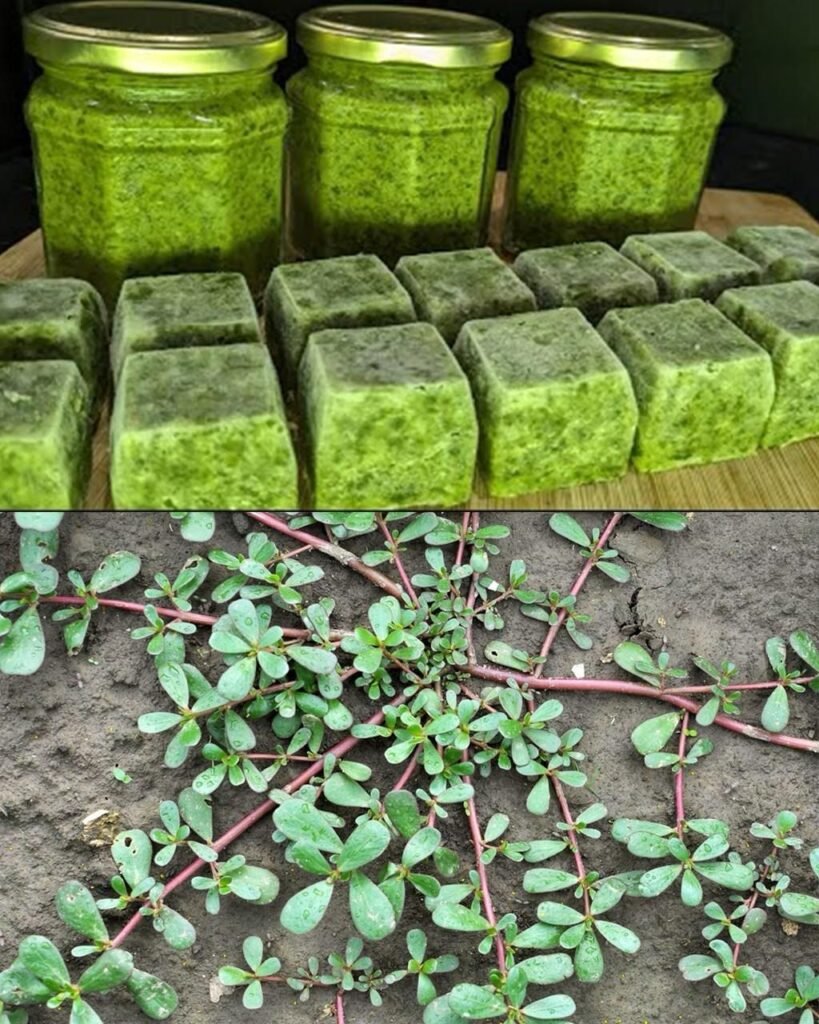
At first glance, purslane looks like a weed. Low to the ground. Succulent leaves. Something gardeners pull out without thinking twice. Yet in many parts of the world, this plant has long been treated as food—quietly folded into soups, salads, and stews.
What’s changed isn’t purslane itself. It’s the context.
As people age, nutritional priorities shift. The body becomes less forgiving of deficiencies and excesses alike. That’s where a modest, nutrient-dense plant like purslane starts to stand out—not as a cure-all, but as a steady contributor.
Why Purslane Is Nutritionally Unusual
Most leafy greens excel in one area and lag in others. Purslane is different because it spans multiple nutritional categories at once.
It contains:
- Plant-based omega-3 fatty acids
- Fiber that’s gentle on digestion
- Vitamins that support cellular maintenance
- Minerals involved in muscle and nerve function
That combination is rare in a single, low-calorie food—and increasingly relevant later in life.
The Omega-3 Factor (Often Overlooked)
Omega-3s are typically associated with fish, nuts, or supplements. Purslane provides them in a plant form that’s easy to add to meals without changing eating habits dramatically.
For older adults who eat less seafood or want variety, this matters.
Daily intake doesn’t create a dramatic effect overnight, but over time it contributes to:
- Better fat balance in the diet
- Support for normal inflammatory responses
- Nutritional diversity without heaviness
It’s not about replacing other sources—it’s about filling quiet gaps.
Digestive Ease Becomes a Bigger Deal With Age
After 60, digestion often slows. Foods that once felt fine can suddenly feel heavy or irritating.
Purslane’s texture helps here. Its leaves are soft and slightly mucilaginous, which can make it easier to tolerate than tougher greens. The fiber supports regularity without overwhelming the system.
That balance—supportive, not aggressive—is one reason people who eat it regularly tend to keep eating it.
Blood Sugar Stability Is About Patterns, Not Spikes
No single food controls blood sugar. But daily choices shape how steady energy feels across the day.
Purslane’s fiber and water content slow digestion slightly, which can help reduce sharp rises and drops when eaten as part of meals. For people managing energy levels later in life, this steadiness often matters more than strict restriction.
It’s a subtle effect—but subtle is often sustainable.
Micronutrients That Accumulate Quietly
Purslane contains small but meaningful amounts of:
- Magnesium
- Potassium
- Vitamin C
- Vitamin A precursors
These nutrients don’t announce themselves immediately. Their impact comes from consistency.
When eaten daily or near-daily, purslane contributes to background nutritional adequacy—the kind that supports resilience rather than producing noticeable “boosts.”
Why “Every Day” Doesn’t Mean “Large Amounts”
Eating purslane daily doesn’t require large servings. In fact, smaller amounts tend to work better.
A handful mixed into:
- Salads
- Cooked greens
- Soups
- Egg dishes
is enough to gain benefit without crowding out other foods. This matters after 60, when appetite and portion size often decrease naturally.
Frequency beats volume.
What People Often Notice First
Those who incorporate purslane regularly often report changes that are indirect:
- Feeling less heavy after meals
- Better tolerance of greens
- More variety without digestive strain
These aren’t dramatic shifts—but they’re the kind that make habits stick.
When Caution Makes Sense
As with any food eaten frequently, balance matters.
Purslane naturally contains oxalates, which means people with specific kidney concerns may need moderation. This doesn’t make it unsafe—it simply places it in the category of foods best enjoyed as part of a varied diet.
Daily doesn’t mean exclusive.
Why This Plant Was Never Meant to Be a Trend
Purslane doesn’t fit modern “superfood” marketing. It’s not exotic enough. It doesn’t promise instant results. It doesn’t come powdered or packaged.
And that’s exactly why it works.
It integrates quietly into real meals, supports multiple systems gently, and asks very little in return.
The Takeaway
Eating purslane every day isn’t about chasing a benefit—it’s about reinforcing stability.
After 60, health is less about dramatic interventions and more about foods that support the body without stressing it. Purslane fits that role well: nutrient-dense, easy to digest, and adaptable.
Sometimes the most effective additions to a diet aren’t the loudest or newest.
They’re the ones that have been growing underfoot all along.