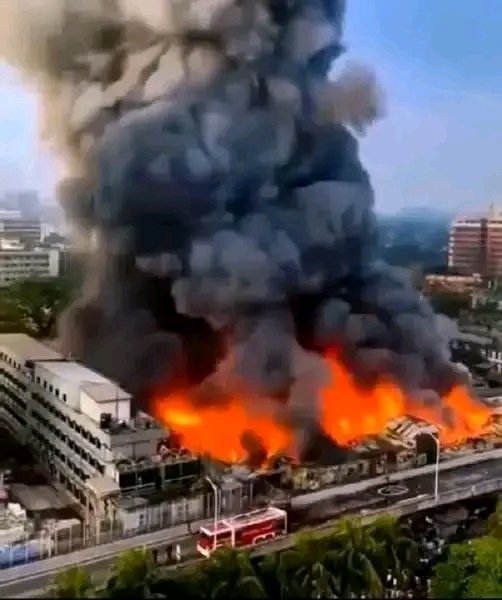
The first reports came in quickly. Smoke rising, emergency sirens cutting through ordinary routines, and a growing sense that something serious was unfolding. Fires that erupt without warning often feel chaotic in the moment, but the events that follow tend to expose a familiar pattern — one that says as much about preparedness and response systems as it does about the flames themselves.
When a major fire breaks out, attention naturally focuses on damage and disruption. Yet beneath those immediate concerns lies a broader story about how modern communities handle sudden risk.
How Fires Escalate Faster Than Expected
Most large fires begin as small incidents. An electrical fault, an overheated appliance, a neglected spark — the origin is often unremarkable. What transforms these moments into emergencies is speed.
Fire spreads rapidly when conditions align: dry materials, enclosed spaces, limited ventilation, or delayed detection. In many cases, the escalation occurs before anyone fully understands what’s happening. By the time flames are visible from the outside, the situation has already moved beyond containment.
This is why early detection systems matter more than dramatic rescue narratives. The difference between minor damage and major loss is often measured in minutes.
Emergency Response Is a Coordinated Chain
Once a fire is reported, response becomes a layered process. Dispatch centers assess urgency, fire crews mobilize, law enforcement manages perimeter control, and medical teams prepare for potential injuries.
Each link in this chain affects outcomes. Delays in one area ripple outward. Clear communication between agencies reduces confusion on the ground and speeds up critical decisions.
What often goes unnoticed is how much planning happens before any incident occurs. Training drills, route mapping, and inter-agency protocols shape how effectively responders act under pressure.
Why Evacuations Are More Complex Than They Appear
Evacuations are among the most challenging aspects of fire response. Moving people quickly and safely requires balancing urgency with order.
Panic increases risk. Clear instructions reduce it. Authorities must decide when evacuation is necessary, which areas are affected, and how to manage traffic flow — often with incomplete information.
The public rarely sees how these decisions are made, yet they influence outcomes more than the fire itself. Effective evacuations depend as much on public cooperation as on official direction.
Structural Design Plays a Hidden Role
Buildings are not passive victims in fires. Their design, materials, and maintenance history influence how flames spread and how long structures withstand heat.
Fire-resistant materials, compartmentalized layouts, and functional suppression systems can dramatically slow damage. Conversely, outdated wiring, blocked exits, or neglected alarms increase danger.
Many post-incident investigations reveal that losses were compounded by preventable factors rather than the fire alone.
The Human Factor in Fire Incidents
Beyond infrastructure, human behavior shapes outcomes. Some people evacuate immediately. Others hesitate, gather belongings, or underestimate risk.
This hesitation is rarely irrational. People are conditioned to seek confirmation before reacting. Unfortunately, fires don’t allow much time for certainty.
Public education campaigns aim to address this gap, teaching people to prioritize safety over hesitation. The effectiveness of these messages often becomes apparent only during real emergencies.
Why Fires Become Breaking News
Fires attract attention because they disrupt normalcy abruptly. They’re visible, loud, and emotionally charged. Media coverage reflects public concern, but it can also amplify fear if context is missing.
Accurate reporting helps communities understand what happened, why it mattered, and what steps follow. Sensational framing may draw attention but often obscures practical lessons.
Balanced coverage contributes to awareness rather than anxiety.
After the Flames Are Out
The end of a fire doesn’t mark the end of its impact. Investigations begin. Damage assessments are conducted. Displaced individuals seek temporary solutions.
Authorities analyze response effectiveness, identify weaknesses, and recommend changes. These reviews are essential, even when outcomes were relatively controlled.
Learning from each incident improves readiness for the next one — a reality emergency planners understand well.
Preparedness Is an Ongoing Process
Fires remind communities that risk cannot be eliminated, only managed. Preparedness involves regular inspections, updated codes, public education, and continuous training.
It also requires individual responsibility: functioning smoke alarms, clear exits, and awareness of emergency procedures.
Preparedness isn’t dramatic, but it saves lives quietly.
What These Incidents Ultimately Show
A sudden fire is more than a breaking event. It’s a stress test for systems designed to protect people under pressure. The effectiveness of those systems depends on planning, coordination, and public cooperation long before flames appear.
While headlines fade, the lessons remain. Fires expose weaknesses and strengths alike, offering opportunities to improve how communities respond to the unexpected.
In that sense, every incident becomes part of a larger effort — not just to recover, but to be better prepared the next time urgency arrives without warning.