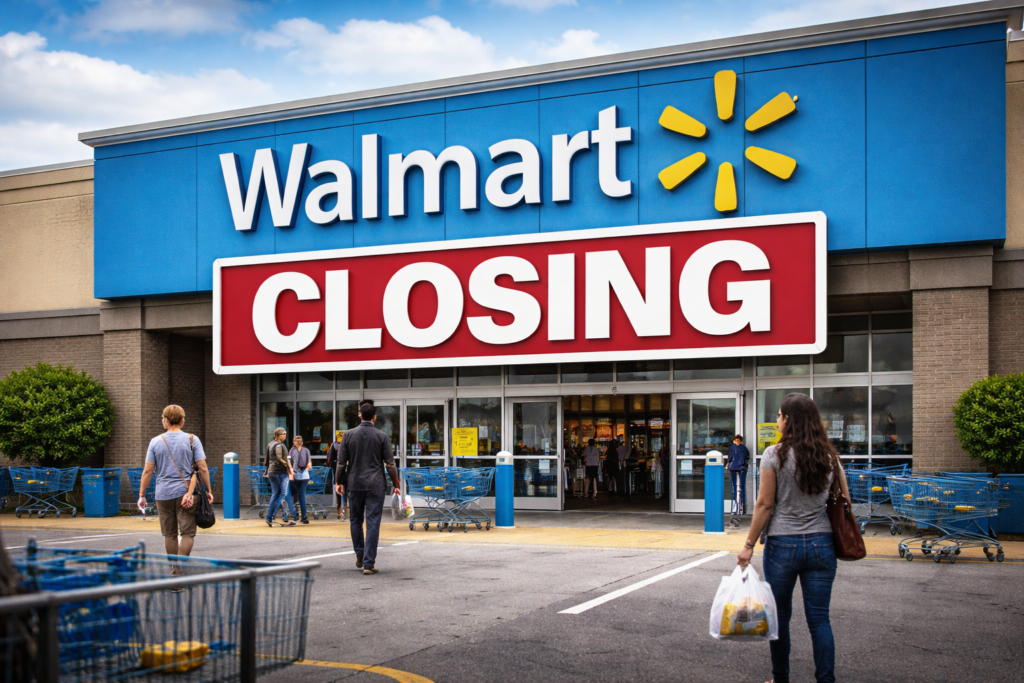
At first glance, the headlines sound alarming.
“Walmart is closing stores.”
“Major shutdown across the U.S.”
“Full list revealed.”
It creates the impression that something big—and possibly troubling—is unfolding. But when you look closer at the facts, the reality is far more measured and far less dramatic than it appears.
Why These Headlines Are Misleading
The idea that Walmart is shutting down large portions of its business isn’t accurate.
In reality, the company is making targeted decisions—closing a small number of underperforming stores while continuing to operate thousands of others across the country.
This is not a collapse.
It’s a business adjustment.
What Walmart Is Actually Doing
Walmart regularly reviews the performance of its locations.
When certain stores consistently struggle—whether due to low foot traffic, high operating costs, or changing shopping habits—the company may decide to close them.
This is part of a broader strategy to:
improve efficiency reduce losses focus on stronger-performing locations
At the same time, Walmart continues to invest in:
store upgrades online shopping systems new technology
Where Closures Are Happening
The stores being closed are spread across a few specific areas, not concentrated nationwide.
These include select locations in:
Georgia Maryland Ohio Wisconsin
Each closure is tied to local performance, not a nationwide trend.
That distinction is important.
Because it shows these decisions are isolated—not part of a larger shutdown.
Why Some Stores Struggle
Retail has changed significantly in recent years.
More people are shopping online, comparing prices digitally, and relying less on physical locations for everyday purchases.
For some stores, especially those in areas with:
lower demand higher costs shifting populations
…it becomes harder to remain profitable.
When that happens, companies make adjustments.
The Bigger Retail Shift
Walmart is not alone in this.
Across the retail industry, many large companies are:
closing weaker locations investing more in e-commerce redesigning physical stores
This reflects a shift in how people shop—not a failure of a single company.
Why the “Full List” Narrative Spreads
Articles that promise a “full list of closures” tend to attract attention.
But in many cases, these lists are:
incomplete outdated exaggerated
The goal is not always to inform—it’s often to drive clicks.
That’s why the language feels urgent, even when the situation isn’t.
What This Means for Customers
For most shoppers, these closures will have little to no impact.
Walmart still operates thousands of stores and remains one of the largest retailers in the world.
In fact, many areas will continue to see:
improved stores faster online delivery expanded services
A Normal Business Move, Not a Crisis
Store closures can sound concerning.
But in this case, they are part of routine business strategy—not a sign of decline.
Companies evolve.
Markets change.
And decisions like these are how large organizations adapt.
Final Thought
The headlines make it sound bigger than it is.
But the reality is simple:
Walmart isn’t shutting down—it’s adjusting.
And in today’s retail world, that’s not unusual.
It’s expected.