Global attention has once again turned to United States foreign policy after recent comments suggesting that Cuba could become the next major geopolitical focus following escalating tensions with Iran. The remarks have sparked debate among analysts, policymakers, and international observers about what the future of U.S. involvement in Latin America might look like.
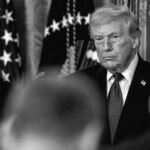
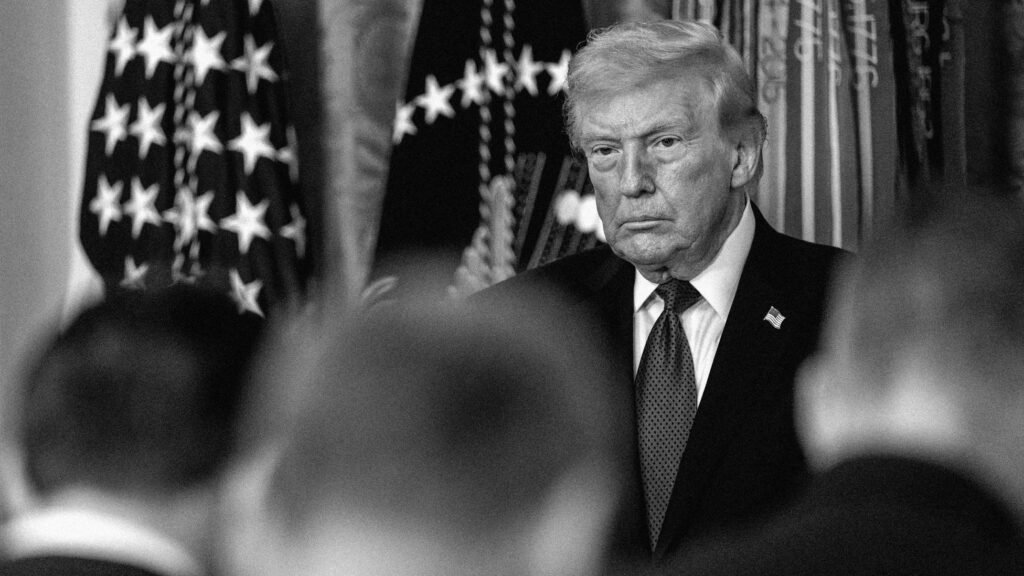
Recent statements connected to President Donald Trump’s administration and allies indicate that the strategic conversation surrounding Cuba is intensifying, particularly in the context of broader regional pressure and economic policies targeting the island nation.
Rising Tensions Following the Iran Conflict
The comments come at a time when global tensions have already been heightened by the ongoing crisis involving Iran. The United States previously conducted major military strikes targeting Iranian nuclear infrastructure, an operation described by officials as part of a broader strategy aimed at preventing nuclear proliferation and stabilizing the region.
Following those events, political figures close to the administration began discussing what geopolitical developments could unfold next.
Some officials suggested that Cuba’s political system and ongoing economic struggles could place it under increasing scrutiny. According to reports, discussions around Cuba have intensified as Washington continues to apply economic pressure and sanctions on the island.
While no formal military action has been announced, the rhetoric has sparked speculation among analysts about whether the United States could pursue stronger political, diplomatic, or economic measures regarding Cuba.
Statements Hinting at Cuba as a Possible Next Focus
Recent interviews and commentary have added fuel to the discussion.
Reports indicate that Trump suggested Cuba’s government could eventually “fall” following increased U.S. pressure.
Additionally, prominent political allies have echoed similar sentiments. Some lawmakers stated publicly that Cuba’s leadership could face growing pressure from both internal opposition movements and international policies.
One U.S. senator even remarked that the Cuban regime’s “days are numbered,” reflecting the belief among some policymakers that the current political system in Havana may not remain stable indefinitely.
These statements have raised questions about whether Washington is preparing a broader strategy aimed at encouraging political change in the Caribbean nation.
The Growing Crisis Inside Cuba
The discussion surrounding Cuba also comes during a severe economic crisis on the island.
In recent months, Cuba has been struggling with significant shortages of fuel and energy. The situation has worsened due to international sanctions and disruptions in oil supply routes.
The island relies heavily on imported oil to sustain electricity production, transportation, and industry. When shipments slowed dramatically following geopolitical shifts in Latin America, the country began experiencing widespread power outages and disruptions to essential services.
These economic pressures have increased internal frustration among citizens and have sparked protests in several areas.
Analysts say such instability can often become a catalyst for major political shifts.
U.S. Strategy Toward Latin America
Experts believe that the United States may be pursuing a broader strategy designed to reshape political alliances across the Western Hemisphere.
In recent years, Washington has taken strong positions against governments it considers authoritarian, including those in Venezuela, Nicaragua, and Cuba.
Some analysts believe the strategy could involve several tools, including:
Economic sanctions Diplomatic isolation Support for democratic movements Negotiations with opposition groups
Others argue that the administration may be attempting to apply pressure in order to encourage reforms rather than outright regime change.
Still, the rhetoric surrounding Cuba has triggered significant debate internationally.
Concerns From Global Observers
Not everyone supports the idea of intensifying pressure on Cuba.
Critics warn that aggressive policies could lead to humanitarian challenges for ordinary Cuban citizens, particularly given the country’s already fragile economy.
Human rights organizations and international policy experts have also cautioned that external pressure can sometimes destabilize regions rather than resolve conflicts.
They argue that diplomatic solutions and economic engagement may be more effective in encouraging long-term political reforms.
What Could Happen Next?
Despite the strong rhetoric, there is currently no confirmed plan for military action against Cuba.
Most analysts believe that any major developments would likely unfold gradually through diplomatic and economic channels.
Several possible scenarios are being discussed:
Increased sanctions and economic pressure Negotiations with Cuban political actors International diplomatic initiatives Support for internal political reforms
Ultimately, the future of Cuba’s political situation will depend on both domestic developments and international decisions.
A Changing Geopolitical Landscape
The broader geopolitical environment is evolving rapidly. From the Middle East to Latin America, global power dynamics are shifting as governments pursue new alliances and strategies.
The conversation about Cuba highlights how interconnected global politics has become.
While the future remains uncertain, one thing is clear: the world is closely watching how U.S. foreign policy unfolds in the months ahead.
Whether the discussion about Cuba represents a real shift in strategy or simply political rhetoric will likely become clearer as events continue to develop.
For now, the situation remains fluid—and the geopolitical spotlight remains firmly on the Caribbean.