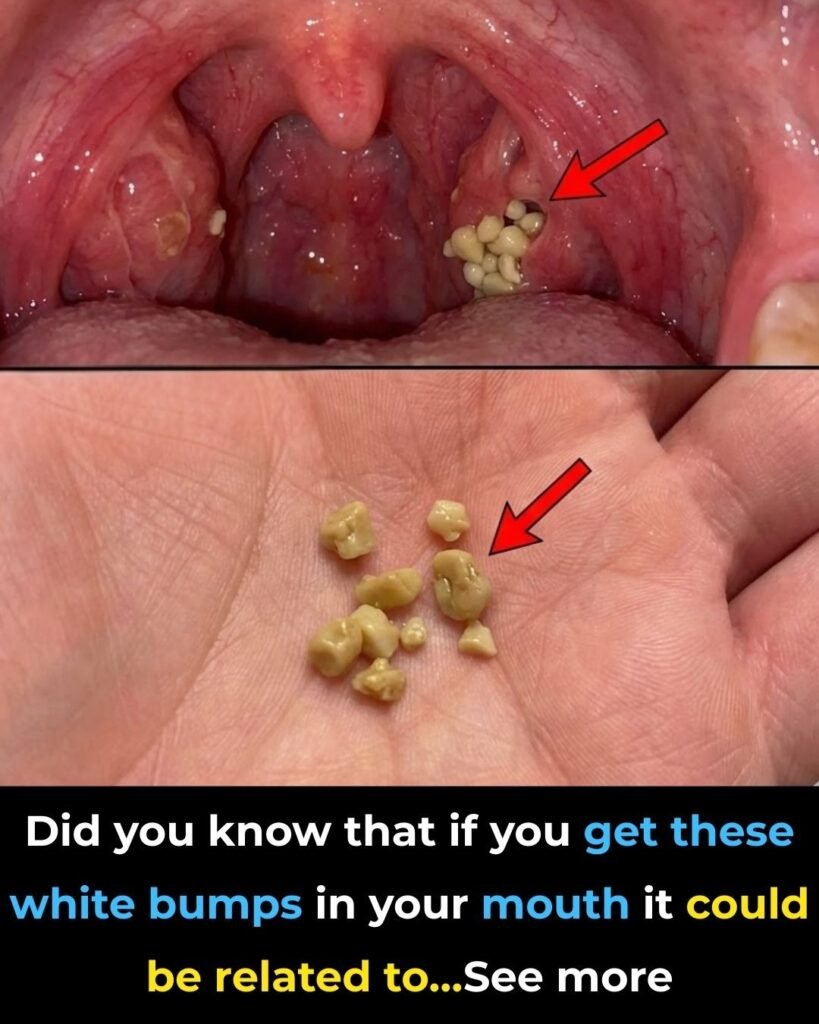
If you’ve ever noticed small, white or yellowish lumps in the back of your throat, along with persistent bad breath, you may have encountered tonsil stones—often without realizing what they were.
They’re rarely discussed openly. Many people discover them accidentally. And when they do, the experience can be confusing, uncomfortable, and even alarming.
So what exactly are tonsil stones? Why do they form? And more importantly, how can they be prevented?
Understanding the answers can help turn a frustrating problem into a manageable one.
What Are Tonsil Stones?
Tonsil stones, medically known as tonsilloliths, are small, hardened deposits that form in the crevices of the tonsils.
The tonsils are located at the back of the throat and contain tiny folds and pockets called crypts. These crypts are designed to trap bacteria and debris as part of the immune system’s defense.
However, when material becomes stuck and isn’t cleared away, it can begin to accumulate.
Over time, this buildup hardens into small stone-like formations.
What Are They Made Of?
Tonsil stones are composed of:
- Food particles
- Dead cells
- Mucus
- Bacteria
- Minerals such as calcium
When these elements combine, they create a compact mass that can vary in size from barely visible to surprisingly large.
Why Do Tonsil Stones Develop?
Not everyone gets tonsil stones. Some people are more prone to them due to anatomy, habits, or health conditions.
Deep Tonsil Crypts
Some individuals naturally have deeper tonsil pockets. These structures make it easier for debris to become trapped and harder to remove.
Poor Oral Hygiene
Inconsistent brushing, flossing, or tongue cleaning allows bacteria and food particles to linger longer in the mouth.
This increases the chances of buildup reaching the tonsils.
Chronic Sinus or Allergy Issues
Postnasal drip caused by allergies or sinus infections sends excess mucus down the throat, adding to the material that can collect in tonsil crypts.
Dry Mouth
Saliva helps wash away debris and neutralize bacteria. When the mouth is dry—due to dehydration, medications, or breathing habits—cleaning mechanisms weaken.
Recurrent Throat Infections
Frequent inflammation can enlarge tonsil crypts, creating more space for particles to lodge.
Common Signs and Symptoms
Tonsil stones don’t always cause noticeable symptoms. Some remain hidden and harmless.
When they do become noticeable, people often report:
- Persistent bad breath
- A feeling of something stuck in the throat
- Mild throat discomfort
- Difficulty swallowing
- White or yellow spots on the tonsils
- Occasional ear pain (due to shared nerve pathways)
Bad breath is often the most troubling symptom, as tonsil stones harbor odor-producing bacteria.
How Tonsil Stones Affect Daily Life
Although rarely dangerous, tonsil stones can interfere with comfort and confidence.
People may feel self-conscious about their breath. Some become anxious about social interactions. Others experience repeated irritation that affects sleep and focus.
Over time, untreated buildup can also increase the risk of inflammation and infection.
This makes prevention more than a cosmetic concern—it’s part of overall oral health.
How to Safely Remove Tonsil Stones
When tonsil stones are visible and accessible, many people choose to remove them at home.
Gentle Manual Removal
Using a cotton swab or clean fingertip, some individuals gently dislodge stones.
This should be done carefully to avoid injury.
Water Irrigation
Low-pressure oral irrigators can help flush debris from tonsil crypts.
High pressure should be avoided, as it may damage sensitive tissue.
Gargling Salt Water
Warm salt water can loosen stones and reduce bacterial growth. Regular gargling may also prevent new buildup.
Professional Removal
If stones are large, painful, or recurring, a dentist or ear-nose-throat specialist can remove them safely and assess underlying causes.
Long-Term Prevention Strategies
Preventing tonsil stones focuses on reducing debris and bacteria in the mouth and throat.
Improve Oral Hygiene
A thorough daily routine makes a major difference.
This includes:
- Brushing twice daily
- Flossing regularly
- Cleaning the tongue
- Using alcohol-free mouthwash
These habits reduce the material available to form stones.
Stay Hydrated
Drinking enough water supports saliva production and helps flush the mouth naturally.
Address Nasal Issues
Managing allergies and sinus congestion reduces postnasal drip, limiting mucus buildup.
Breathe Through the Nose
Chronic mouth breathing dries tissues and promotes bacterial growth. Treating nasal obstruction can help restore balance.
Regular Dental Checkups
Routine visits allow professionals to detect oral health issues early and offer personalized guidance.
When Medical Treatment May Be Necessary
For some people, tonsil stones become chronic and disruptive.
In these cases, medical options may be considered.
Crypt Reduction Procedures
Some specialists offer treatments to reduce the depth of tonsil crypts using lasers or other techniques.
Tonsillectomy
In severe, persistent cases, surgical removal of the tonsils may be discussed. This is typically a last resort and considered only when quality of life is significantly affected.
Understanding the Bigger Picture
Tonsil stones often reflect broader oral and respiratory health patterns.
They can signal:
- Inadequate hygiene routines
- Ongoing nasal problems
- Dehydration
- Immune system strain
Addressing these factors improves not only throat comfort but overall wellness.
A Calm Conclusion
Tonsil stones are a common but frequently misunderstood condition.
They form when natural debris becomes trapped in the tonsils and hardens over time. While usually harmless, they can affect comfort, confidence, and oral health.
With proper hygiene, hydration, and attention to underlying causes, most people can significantly reduce or eliminate the problem.
Rather than something to feel embarrassed about, tonsil stones are best viewed as a signal—an opportunity to strengthen daily health habits and restore balance in the body’s natural systems.