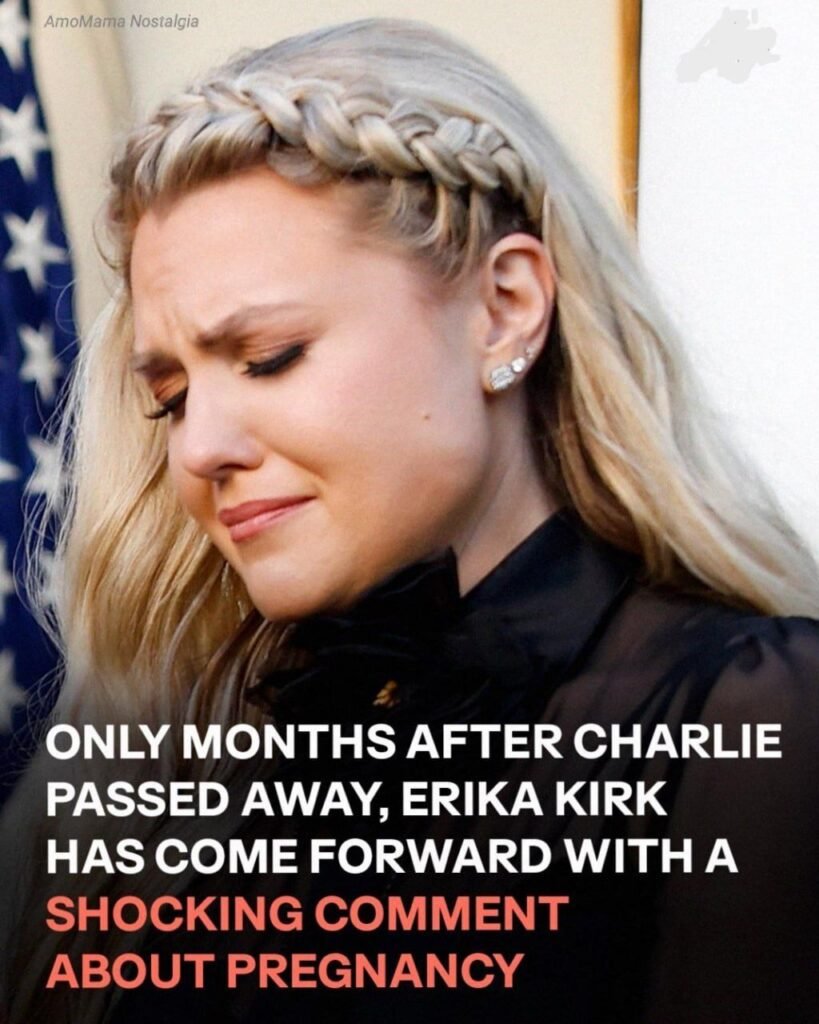
At first glance, it looked like a fleeting moment—one of countless interactions captured at public events every day. A woman stepped forward, embraced JD Vance, and moved on. Within hours, the clip was everywhere.
The internet did what it always does. It assigned motives, politics, symbolism. Commentators debated what the hug “meant,” who it represented, and why it happened at all. But behind the clip was a story that didn’t fit neatly into any of those interpretations.
The woman was Erika Kirk, and the moment wasn’t about politics. It was about grief.
How a Personal Moment Became a Public Narrative
Virality strips context by design. Short clips reward immediacy, not explanation. When the hug spread, viewers saw a symbol before they saw a person.
In online spaces, the interaction was quickly framed as:
- A political endorsement
- A staged campaign moment
- A calculated gesture meant to send a message
None of those interpretations accounted for the human reality behind the camera.
For Erika Kirk, the moment wasn’t planned, strategic, or performative. It was spontaneous—and deeply personal.
What the Hug Was Actually About
In speaking publicly afterward, Kirk explained that the embrace came from unresolved grief tied to personal loss. The encounter with Vance surfaced emotions she had been carrying quietly, not as a supporter or critic, but as someone responding to a moment of recognition and vulnerability.
The hug wasn’t meant to be seen.
It wasn’t meant to be decoded.
It wasn’t meant to go anywhere beyond that second.
But the camera changed everything.
Why Grief Often Looks “Out of Place” in Public
Public spaces rarely allow room for private emotion. When grief appears outside expected settings—funerals, anniversaries, formal statements—it often makes people uncomfortable.
The discomfort leads to reinterpretation.
Instead of accepting the emotion at face value, observers search for alternative explanations:
- There must be a message
- There must be an agenda
- There must be a hidden reason
Grief without a script feels disruptive, especially when it intersects with political figures who are usually viewed symbolically rather than personally.
The Cost of Being Reduced to a Clip
Once a moment goes viral, the person at its center often loses control of the story. Kirk became a talking point before she became a voice.
Strangers debated her intentions.
Assumptions hardened into narratives.
Nuance disappeared.
This is a familiar pattern in online culture: individuals are flattened into symbols because symbols are easier to argue about than people.
Why This Happens More Often Around Politics
Political figures attract projection. Any interaction with them—positive or negative—is quickly absorbed into broader ideological battles.
That environment leaves little room for:
- Emotional complexity
- Personal history
- Non-political motivations
In this case, a moment rooted in grief was recast as a statement simply because of who was involved.
The Difference Between Visibility and Meaning
Being seen doesn’t guarantee being understood.
The hug was visible to millions, but its meaning was initially known only to the person who experienced it. The gap between those two realities is where misunderstanding thrives.
When Kirk later shared her perspective, it reframed the clip—not as a political act, but as a reminder that public figures still encounter private people, each carrying their own stories.
What This Moment Reveals About Online Interpretation
The reaction to the hug says less about the individuals involved and more about how quickly audiences assign meaning without context.
We’re conditioned to:
- Read symbols instead of listening to explanations
- React before understanding
- Decide before asking
Virality rewards speed, not reflection.
Re-centering the Human Element
Once the initial noise faded, what remained was something quieter and more instructive: a reminder that not every public moment is meant to be public commentary.
Sometimes, a hug is just a hug.
Sometimes, it’s an expression of pain.
Sometimes, it’s both.
And sometimes, the internet gets it wrong.
A Calm Takeaway
The story behind the viral hug isn’t about politics winning or losing ground. It’s about how easily personal experiences are overwritten by collective assumptions.
Grief doesn’t always announce itself clearly.
Meaning doesn’t always match appearance.
And not every moment captured on camera belongs to the audience interpreting it.
Understanding often arrives later—if we allow space for it at all.