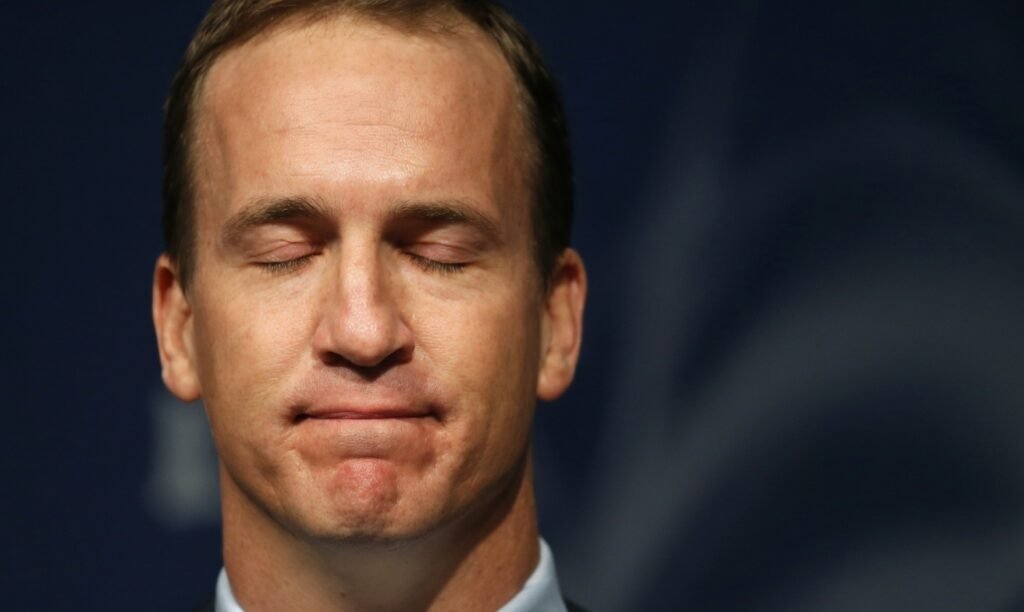
Few names in modern football carry the emotional weight of Peyton Manning. For more than two decades, his presence has represented precision, leadership, and an almost obsessive dedication to the game. So when headlines began circulating claiming that Manning had just been confirmed as the next head coach of the Denver Broncos, it didn’t take long for the story to spread across social media.
Within minutes, fans were sharing the announcement, reacting with excitement, disbelief, and nostalgia. For many supporters—especially those who followed the Broncos during the 2012–2015 era—the idea of Manning returning to the sideline felt almost too perfect to ignore.
But before celebrating the moment as fact, it’s important to understand what is actually known and why stories like this can spread so quickly in the modern sports landscape.
Why Peyton Manning Still Captures Fans’ Attention
To understand the reaction, it helps to revisit Manning’s history with the Denver Broncos.
When he joined the team in 2012, the move came with enormous uncertainty. Manning had just undergone serious neck surgery that had sidelined him for an entire season with the Indianapolis Colts. Many analysts questioned whether he could return to elite form.
Instead, he delivered one of the most extraordinary late-career performances in NFL history.
During the 2013 season, Manning broke multiple league records, including 5,477 passing yards and 55 touchdown passes—numbers that still stand among the most remarkable single-season achievements ever recorded by an NFL quarterback.
Just two years later, he helped guide the Broncos to victory in Super Bowl 50, closing his career with a championship and securing his legacy as one of the greatest quarterbacks to ever play the game.
For Denver fans, Manning’s time with the team represents one of the most memorable chapters in franchise history.
The Appeal of a Coaching Comeback
Because of that legacy, rumors about Manning returning to the Broncos organization surface regularly.
The idea of legendary players transitioning into coaching roles has always fascinated fans. When someone who once dominated the field returns in a leadership position, it creates a powerful narrative: the hero who once led the team now guiding the next generation.
In Manning’s case, the concept seems especially believable.
Throughout his career, he was known for studying film relentlessly, memorizing defensive formations, and effectively acting as an on-field strategist. Teammates often described him as an extension of the coaching staff while he was still playing.
Those qualities naturally lead many fans to wonder whether he could eventually become a head coach.
What Manning Has Actually Been Doing Since Retirement
Although Manning retired from professional football in 2016, he has remained deeply connected to the sport.
One of his most visible projects has been Omaha Productions, the media company he co-founded. Through this platform, Manning helped create several football-focused broadcasts and programs, including the widely popular “ManningCast,” where he and his brother Eli analyze games live during Monday Night Football.
These broadcasts quickly became fan favorites because they offered a unique look into how elite quarterbacks read defenses and understand the game.
Beyond media, Manning has also participated in mentoring younger quarterbacks, advising organizations informally, and staying active in football-related discussions.
Despite these connections, he has never publicly stepped into a full-time coaching role.
Why Coaching in the NFL Is a Very Different Challenge
Even for legendary players, coaching in the NFL can be an entirely different career path.
The responsibilities extend far beyond the strategy of the game itself. Head coaches must manage large staffs, oversee player development, coordinate game plans, communicate with front offices, and maintain team culture across an entire season.
The job also comes with constant pressure. Success is often measured week by week, and even experienced coaches can struggle to maintain stability in such a competitive environment.
For former players, the transition from star athlete to head coach is not always straightforward.
Some Hall of Fame players choose not to pursue coaching at all, preferring roles in broadcasting, ownership groups, or advisory positions where they can remain connected to the sport without the intense schedule of an NFL coaching staff.
How Viral Sports Stories Take Shape
The rapid spread of the Manning coaching story highlights another reality of modern sports media: information moves faster than ever.
A single post suggesting a dramatic development—especially involving a legendary figure—can quickly gain traction if fans find the idea emotionally compelling.
When the story includes elements like a press conference, returning heroes, and nostalgic connections to championship seasons, it becomes even more shareable.
But the speed of sharing often outpaces verification.
This is why sports journalists and league officials typically wait for official team announcements before confirming major organizational changes like head coaching hires.
Why Fans Remain Drawn to the Possibility
Even if the report itself remains unconfirmed, the enthusiasm surrounding it says something meaningful about Manning’s influence on the game.
Few players maintain such strong connections with multiple fan bases years after retiring. Manning is admired not only for his statistical achievements but also for the professionalism and preparation he brought to every season.
Those qualities continue to shape how fans imagine his potential future in football.
The idea of him standing on the sidelines in Denver again—calling plays instead of throwing them—naturally captures the imagination.
A Legacy That Doesn’t Depend on Another Chapter
Whether or not Peyton Manning ever becomes an NFL head coach, his place in football history is already secure.
Two Super Bowl championships, multiple MVP awards, record-setting seasons, and an unmistakable influence on modern quarterback play have cemented his legacy.
His post-retirement work in media and mentorship has allowed him to stay involved in the sport while sharing his deep understanding of the game with new audiences.
For many fans, simply seeing him remain part of football—whether through commentary, mentoring, or public appearances—is already enough.
And if history has shown anything, it’s that Peyton Manning’s connection to the game has never really faded.