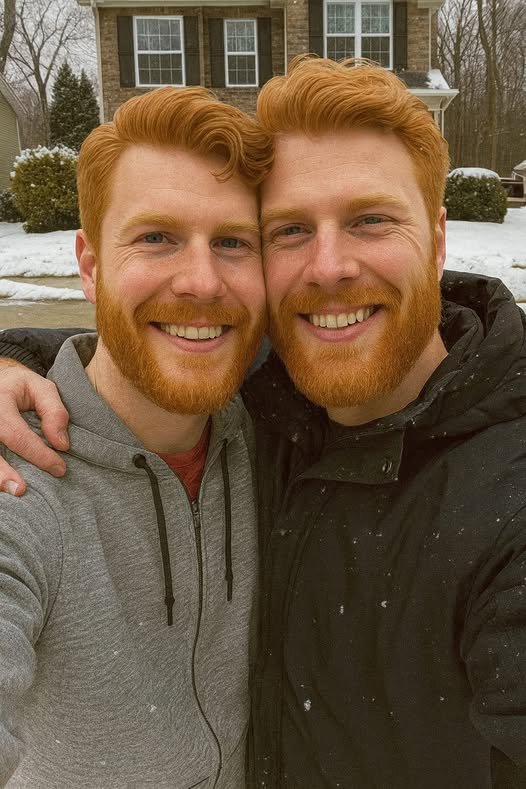
Some stories begin with a photograph.
Others begin with a question.
This one begins with absence.
A name that isn’t mentioned.
A face missing from family albums.
A story that stops halfway through.
For many people, discovering that part of their history has been hidden or erased doesn’t happen all at once. It unfolds slowly — through overheard conversations, inconsistent memories, or documents that don’t quite line up.
And once noticed, it can’t be unseen.
When Family History Feels Incomplete
Most people assume they know where they come from.
They know their grandparents’ names.
They know childhood addresses.
They know which relatives attend holidays.
But in some families, entire chapters are missing.
Adoptions kept secret.
Estrangements never explained.
Siblings separated.
Records altered.
The result is a story with gaps.
Those gaps create tension.
Why Families Sometimes Hide the Past
Silence is often a form of protection.
Families may hide painful history because of:
- Shame
- Fear of judgment
- Legal complications
- Trauma
- Desire to “start over”
What begins as temporary secrecy often becomes permanent.
Over time, no one knows how to reopen it.
The Psychological Cost of Not Knowing
Unanswered questions linger.
People raised with incomplete stories often experience:
- Identity confusion
- Persistent curiosity
- Emotional unease
- Feeling “out of place”
- Difficulty trusting narratives
The mind seeks coherence.
Without it, doubt fills the space.
How Discovery Usually Happens
Hidden histories rarely stay hidden forever.
They surface through:
- Old letters
- DNA tests
- Online records
- Medical paperwork
- Casual remarks
Technology has accelerated this process.
Truth now travels faster than secrecy.
The Search for a Missing Sibling
When someone learns they have a lost brother or sister, reactions are complex.
Excitement mixes with fear.
Hope meets uncertainty.
Curiosity collides with loyalty.
Questions arise immediately.
Do they want contact?
Will they reject me?
What will this change?
Who knew?
No guidebook exists.
Reconstructing a Stolen Past
Finding answers doesn’t restore the past.
It reframes it.
Memories are reinterpreted.
Conversations gain new meaning.
Silences become visible.
People must rebuild identity with new information.
That process is emotional labor.
The Role of Modern DNA Testing
Genetic testing has transformed family discovery.
Millions now have access to ancestry data.
Unexpected relatives appear.
Hidden connections emerge.
Long-lost siblings are reunited.
Privacy has become optional.
Truth has become searchable.
When Reunion Is Possible — And When It Isn’t
Not all searches end happily.
Some siblings:
- Decline contact
- Have passed away
- Are unreachable
- Are unwilling to revisit trauma
Closure doesn’t always mean reunion.
Sometimes it means acceptance.
The Impact on Existing Family Relationships
Revelations disrupt balance.
Parents may feel exposed.
Relatives may feel betrayed.
Siblings may feel displaced.
Old loyalties are tested.
New dynamics emerge.
Why Identity Depends on Story
Humans organize life through narrative.
We understand ourselves by understanding our origins.
When parts are missing, self-concept weakens.
Restoring truth strengthens psychological stability — even when painful.
The Risk of Romanticizing Lost Connections
Popular culture often frames reunions as magical.
Reality is more complicated.
Reunions require:
- Emotional maturity
- Patience
- Boundaries
- Realistic expectations
Shared DNA doesn’t guarantee shared values.
Healing Without Perfect Answers
Some questions remain unanswered.
Records are lost.
Witnesses are gone.
Memories conflict.
Healing doesn’t require complete certainty.
It requires integration.
Why These Stories Resonate
“The lost brother” isn’t just about one person.
It represents every hidden truth.
Every untold story.
Every missing piece.
Every unanswered question.
We all wonder, at some point, who we might have been with different information.
The Calm Takeaway
Discovering a hidden past can feel destabilizing.
It can shake assumptions.
Challenge loyalty.
Reopen wounds.
But it can also restore wholeness.
Not by changing what happened.
By finally allowing it to be acknowledged.
Truth doesn’t rewrite history.
It gives it meaning.