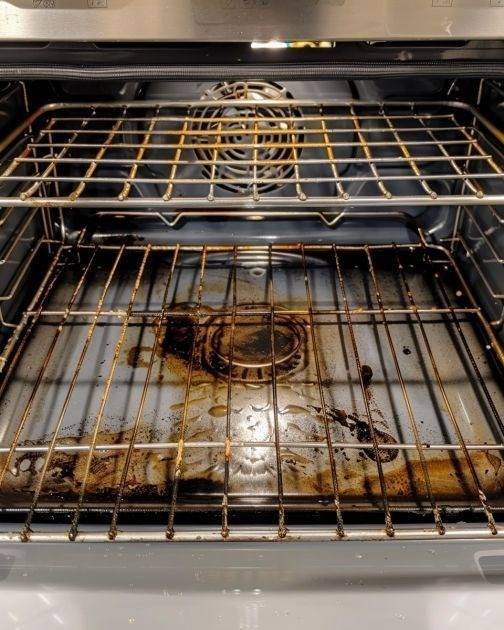
If you’ve ever wrestled with greasy oven racks, you know the feeling: stubborn black buildup, sticky residue, and a kitchen timer taunting you with every brush stroke. It’s one of those chores everyone avoids — until it suddenly becomes unavoidable.
But what if you didn’t have to spend hours scrubbing with steel wool and toxic cleaners? There’s a simple, surprisingly effective method that turns a dreaded chore into a quick kitchen task.
Here’s how it works — and why it’s worth trying.
Why Oven Racks Get So Grimy
Oven racks collect:
- Drips from roasting pans
- Splattered sauces and oils
- Carbonized leftovers
- Sticky seasoning spills
Over time, this buildup becomes resistant to regular scrubbing. The result? A greasy, unattractive rack that’s hard to remove and even harder to clean.
The Hack That Makes It Easy
Instead of scrubbing them by hand, use a technique that lets science do the work for you.
You’ll Need:
- A large trash bag (heavy-duty works best)
- Baking soda
- Dish soap
- Hot water
- Optional: white vinegar
That’s it. No harsh chemicals. No elbow grease for hours.
Step-By-Step Guide
1. Remove the Racks
Slide out the dirty oven racks and place them on a surface where you can work — like your kitchen floor or backyard.
2. Prepare the Bag
Stand a large trash bag in an upright position and open it wide enough to fit the racks side by side.
3. Add Cleaning Agents
Sprinkle a generous amount of baking soda over each rack. Baking soda is a mild abrasive and natural deodorizer — perfect for breaking down grease.
Add a squirt or two of dish soap. This helps dissolve oils and slick buildup.
4. Add Hot Water
Pour very hot (almost boiling) water into the bag until the racks are submerged.
5. Seal and Wait
Seal the bag tightly and let it sit for 2–4 hours — or overnight if the grime is heavy.
As the solution soaks, the hot water softens gunk, baking soda buffers grime, and soap starts breaking down oil bonds.
Why This Works
This method combines three powerful effects:
1. Heat Softens Baked-On Grime
Hot water loosens hardened food residue so it doesn’t cling as tightly.
2. Baking Soda Breaks Down Grease
Its fine particles help lift grime without scratching metal.
3. Dish Soap Cuts Through Oils
Soap molecules latch onto fat and make it easier to rinse away.
Together, these ingredients create a low-effort soak that drastically reduces buildup without harsh chemicals.
Finishing Touches
After soaking:
- Gently lift the racks from the bag
- Drain the dirty water
- Rinse with warm tap water
- Wipe or lightly scrub remaining spots with a soft sponge
Most of the residue should come off smoothly.
Tips for Best Results
⭐ Use Warm Water First
If you don’t have very hot water, heat it on the stove or microwave it in heat-safe containers.
⭐ Add Vinegar for Extra Power
A splash of white vinegar can react with the baking soda to boost cleaning power — especially on thick, caramelized grease.
⭐ Daily Maintenance Helps
After big roasting jobs, wipe the racks with soapy water quickly. Regular attention slows buildup and makes future cleanings easier.
Safety Notes
This method is safe for most oven racks, but:
✔ Avoid mixing chemicals like bleach with baking soda and vinegar.
✔ Dispose of the solution carefully — it will contain grease and residues.
✔ Use gloved hands if you’re sensitive to hot water.
Why This Hack Is Worth Trying
Compared with traditional scrubbing:
- Saves time
- Uses common household items
- Avoids harsh chemical cleaners
- Keeps oven racks looking newer longer
It’s a gentle, effective alternative that puts cleanup on autopilot while you go about your day.
A Final Thought
Great cleaning doesn’t always mean hard cleaning.
Sometimes, it’s about using the right combination of heat, chemistry, and patience.
Let the grime soak, then watch it come off — with very little effort.