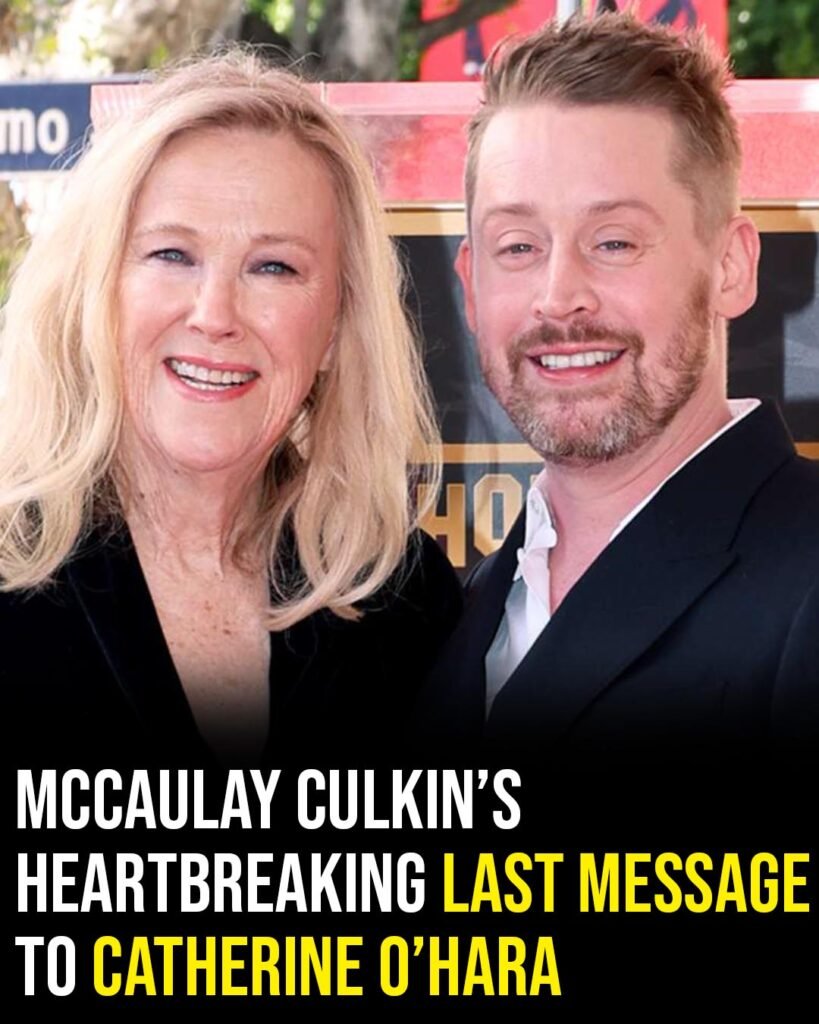
It started the way many online rumors do.
A dramatic headline.
A sudden surge of shares.
Emotional reactions before verification.
Within hours, social media was filled with posts claiming that actress Catherine O’Hara had died at the age of 71. Fans expressed shock. Tributes appeared. Comment sections filled with disbelief.
But as the story spread, so did questions.
Was it true?
Where did it come from?
And why did it move so fast?
How the Reports First Appeared
The initial claims surfaced on smaller entertainment and click-driven news sites. These articles cited “further information” and “developing reports” but offered few verifiable sources.
They relied on:
- Vague language
- Unnamed insiders
- Unclear references
- Recycled celebrity-obituary formats
Within minutes, those posts were shared on Facebook and other platforms, giving the impression of legitimacy.
But none of the major news organizations confirmed the story.
That was the first red flag.
The Absence of Official Confirmation
In cases involving well-known public figures, major developments are usually confirmed quickly through:
- Family statements
- Management teams
- Reputable media outlets
- Verified social accounts
In this case, none of those appeared.
No statement from representatives.
No confirmation from family.
No reporting from established news agencies.
That silence suggested the story was unreliable.
Why Celebrity Death Hoaxes Are So Common
Unfortunately, false reports of celebrity deaths are not new.
They happen frequently because they generate:
- High engagement
- Emotional reactions
- Rapid sharing
- Advertising clicks
For low-quality websites, this traffic can be profitable.
A shocking headline spreads faster than a cautious one.
And corrections rarely travel as far as rumors.
How These Stories Are Usually Constructed
Media analysts note that many false obituary stories follow a predictable pattern.
They often include:
- A dramatic opening
- A brief career summary
- Generic “tributes”
- Vague references to illness or “sources”
- No primary documentation
The article about O’Hara fit this structure closely.
It looked convincing at first glance — but lacked substance.
Who Catherine O’Hara Is — And Why Fans Reacted So Strongly
Catherine O’Hara has built a career spanning decades, with iconic roles in film and television that have become part of popular culture.
For many viewers, she represents:
- Childhood memories
- Family comedies
- Beloved TV characters
- A consistent creative presence
So when rumors of her death appeared, the emotional response was immediate.
People weren’t just reacting to news.
They were reacting to the idea of losing a familiar figure in their lives.
What Reputable Sources Indicate
As of the time these reports circulated, no reliable outlet confirmed O’Hara’s death.
Entertainment journalists and fact-checking sites quickly pointed out the lack of evidence.
In similar past incidents, such rumors have been proven false within days — sometimes within hours.
This appears to follow that same pattern.
Why Misinformation Spreads So Easily
Several factors make stories like this travel quickly.
1. Emotional Impact
Death news triggers strong feelings, which increases sharing.
2. Speed Over Accuracy
Many users repost without checking sources.
3. Platform Algorithms
Engaging content is promoted automatically.
4. Familiar Templates
People recognize obituary-style articles and assume legitimacy.
Together, these create perfect conditions for misinformation.
The Harm Caused by False Death Reports
While some see hoaxes as harmless, they have real consequences.
They can:
- Distress families
- Mislead fans
- Damage credibility
- Erode trust in media
- Create unnecessary panic
For public figures and loved ones, these rumors can be deeply upsetting.
How to Verify News Before Sharing
Experts recommend a few simple steps:
- Check major outlets (AP, Reuters, BBC, etc.)
- Look for official statements
- Search multiple independent sources
- Be wary of emotional language
- Avoid sites with unclear ownership
If only one small website is reporting something major, it’s likely unreliable.
Why “Further Information” Headlines Are Suspicious
Phrases like:
“Further details released”
“Sources reveal”
“Shocking update”
“Here’s what we know”
are often used to mask the absence of real information.
They suggest authority without providing evidence.
In this case, the headline promised clarity — but delivered none.
The Role of Fans in Correcting Misinformation
In recent years, online communities have become better at self-correcting.
Many fans quickly pointed out:
- Missing sources
- Lack of confirmation
- Past hoax patterns
These responses helped slow the spread.
It shows how digital literacy is improving — even if slowly.
What This Situation Reveals About Online Media
This episode highlights a broader problem in digital publishing.
Some sites prioritize:
- Clicks over accuracy
- Speed over verification
- Sensation over responsibility
As long as that model exists, similar stories will continue appearing.
Current Status
Based on available reliable information, there is no confirmed report that Catherine O’Hara has died.
The circulating articles appear to be unverified and likely false.
Until official sources say otherwise, they should be treated as misinformation.
Conclusion: Why Caution Matters More Than Ever
The confusion around Catherine O’Hara’s supposed death is not just about one celebrity.
It’s about how information moves today.
A headline can travel worldwide in minutes.
A correction may never catch up.
That makes skepticism essential.
Before reacting.
Before sharing.
Before believing.
In a digital world driven by speed, careful reading is an act of responsibility.
And in moments like this, it makes all the difference.