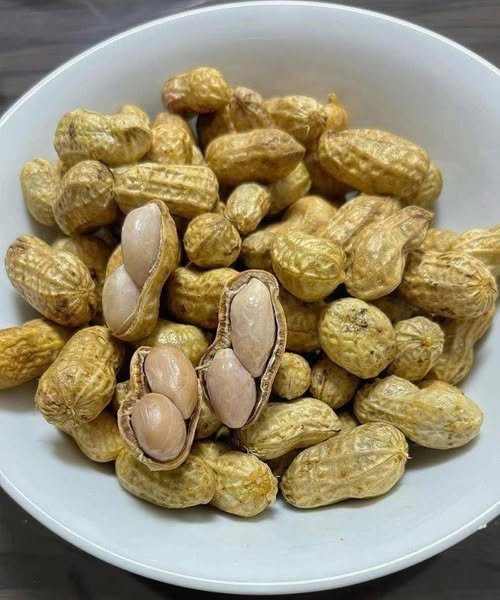
Peanuts are everywhere.
They show up in lunchboxes, street snacks, desserts, sauces, and late-night cravings. They’re affordable, filling, and easy to love. For many people, they feel like a “safe” food — something simple and reliable.
But peanuts aren’t universally harmless.
For most, they offer real health benefits. For others, especially those with certain medical conditions, they can quietly create problems.
Understanding the difference matters.
Why Peanuts Are Considered Nutritious
Despite their name, peanuts are technically legumes. Nutritionally, though, they behave much like nuts.
They contain:
- Plant-based protein
- Healthy unsaturated fats
- Fiber
- Vitamin E
- Magnesium
- B vitamins
- Antioxidants
This combination makes them satisfying and energy-dense.
In moderate amounts, peanuts can support heart health, muscle maintenance, and stable blood sugar.
How Peanuts Support Heart Health
Several studies have linked regular peanut consumption to improved cardiovascular markers.
The healthy fats in peanuts can help:
- Reduce LDL (“bad”) cholesterol
- Support blood vessel function
- Lower inflammation
When peanuts replace processed snacks, heart health often improves.
The key is portion control.
The Hidden Risk: High Calorie Density
Peanuts are small but powerful.
A handful contains significant calories.
For people managing weight, it’s easy to eat far more than intended without realizing it.
This doesn’t make peanuts “bad.”
It means they require awareness.
Who Should Be Cautious With Peanuts
While most people tolerate peanuts well, some groups should limit or avoid them.
People With Peanut Allergies
This is the most serious concern.
Even small exposure can cause:
- Breathing difficulty
- Swelling
- Hives
- Anaphylaxis
For allergic individuals, strict avoidance is essential.
There is no “safe amount.”
People With Digestive Sensitivities
Peanuts contain compounds that some people find difficult to digest.
They may trigger:
- Bloating
- Gas
- Stomach discomfort
- Reflux
Boiled peanuts, in particular, can worsen symptoms for sensitive stomachs.
Those With Kidney Problems
Peanuts contain phosphorus and potassium.
For individuals with kidney disease, excess intake may interfere with mineral balance.
Medical guidance matters here.
People With Gout
Peanuts contain purines, which can increase uric acid levels.
Frequent large servings may trigger flare-ups in susceptible individuals.
Moderation is important.
Individuals With Fatty Liver or Metabolic Issues
Because peanuts are calorie-dense and fat-rich, excessive intake can strain metabolic systems if overall diet quality is poor.
They should be part of a balanced plan — not a replacement for meals.
Are Boiled Peanuts Healthier?
Boiled peanuts are popular in many regions.
They have:
- Lower fat concentration
- Softer texture
- Higher water content
However, they’re often high in salt.
Excess sodium can affect blood pressure and heart health.
Plain, unsalted versions are better choices.
Portion Size: The Most Overlooked Factor
A healthy serving is about:
- One small handful
- Roughly 28 grams
- Around 160–180 calories
Most people eat double or triple that without noticing.
That’s where problems begin.
How Processing Changes Impact Health
Not all peanuts are equal.
Healthier options:
- Dry roasted
- Unsalted
- Raw (if safe and fresh)
Less healthy options:
- Sugar-coated
- Deep-fried
- Heavily salted
- Candy-covered
Processing often adds more harm than peanuts themselves.
The Role of Peanuts in Blood Sugar Control
Peanuts have a low glycemic impact.
They don’t spike blood sugar quickly.
For people with diabetes, they can be useful in small amounts — especially when paired with complex carbohydrates.
But portion control remains essential.
Why Some People Feel “Addicted” to Peanuts
The mix of fat, salt, and crunch activates reward pathways in the brain.
This isn’t weakness.
It’s biology.
Highly palatable foods are designed — intentionally or not — to encourage overeating.
Mindful eating helps counter this.
When Peanuts Are a Smart Choice
Peanuts work well when they:
- Replace sugary snacks
- Supplement meals
- Support protein intake
- Are eaten mindfully
They’re most beneficial in context, not isolation.
When Avoidance Is Wiser
Limiting or avoiding peanuts may be wise if you:
- Have confirmed allergy
- Experience digestive discomfort
- Have kidney or gout issues
- Tend to overeat them regularly
Listening to your body matters more than trends.
The Calm Takeaway
Peanuts are neither miracle food nor hidden danger.
They’re powerful in small doses.
Nutritious when respected.
Problematic when overused.
For most people, they belong in a healthy diet.
For some, they require caution.
The difference isn’t about fear.
It’s about awareness.