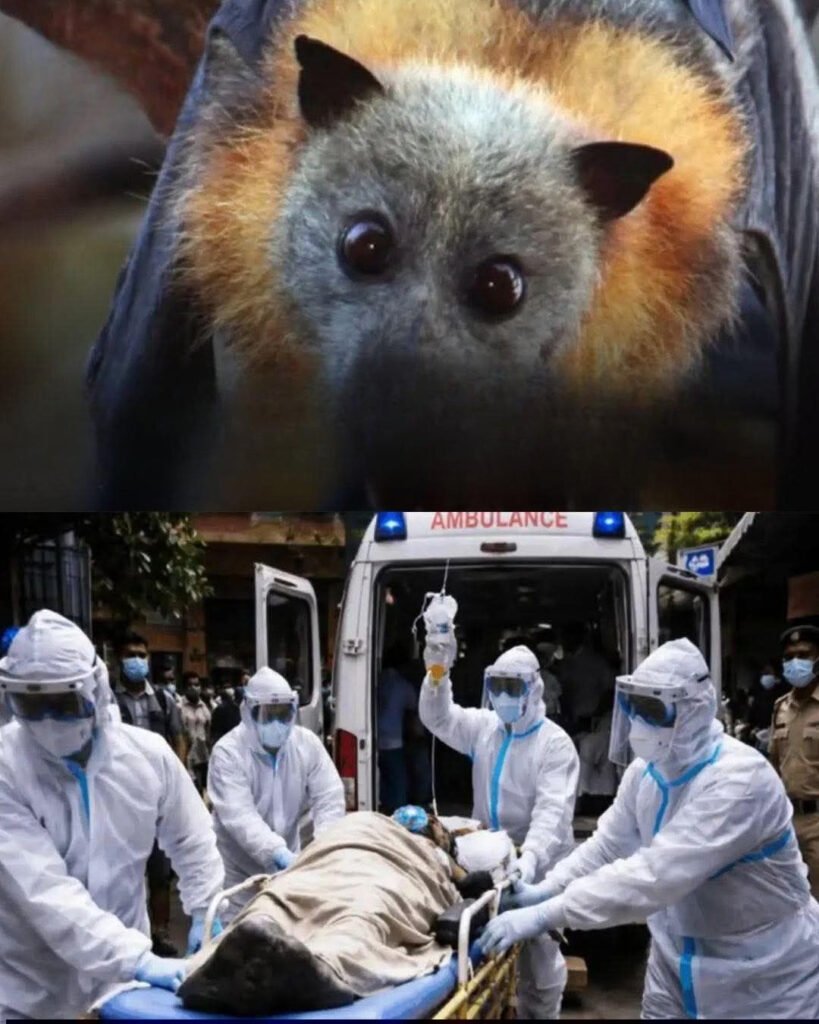
It starts with a phrase that feels overwhelming.
“Humanity is in danger.”
At first glance, it sounds like the kind of headline designed to shock, to stop people mid-scroll. But behind the dramatic wording, there is something more layered—something that isn’t about a single event, but a combination of growing global concerns.
To understand it, you have to look beyond the headline.
The Source of the Alarm
Warnings about global danger don’t come from one place.
They come from patterns.
In recent years, scientists and analysts have pointed to multiple risks happening at the same time—what some describe as a “polycrisis,” where problems don’t exist separately but begin to overlap.
These include:
- Climate instability
- Rising geopolitical tensions
- Technological risks
- Economic uncertainty
Individually, each one matters.
Together, they create something far more serious.
A World Moving Closer to the Edge
One of the most recognized indicators of global risk is the Doomsday Clock.
In 2026, it was set at just 85 seconds to midnight, the closest it has ever been to a symbolic global catastrophe.
This doesn’t mean disaster is guaranteed.
But it reflects a growing consensus among experts: the margin for error is shrinking.
The reasons behind this shift are not hidden.
The Key Risks Behind the Headlines
1. Climate Pressure
The planet is under increasing stress.
Recent scientific reports warn that Earth’s climate is now more unbalanced than at any point in recorded history.
This imbalance leads to:
- Higher global temperatures
- Extreme weather events
- Long-term environmental shifts
It’s not one single disaster—it’s a gradual buildup of pressure.
2. Global Tensions
At the same time, geopolitical instability is rising.
Conflicts, rivalries, and shifting alliances are creating uncertainty in multiple regions. These tensions increase the risk of escalation, especially when combined with advanced technologies.
Even without direct conflict, the instability affects economies, supply chains, and global cooperation.
3. Technological Acceleration
Technology is advancing faster than regulation.
Artificial intelligence, cyber capabilities, and new forms of warfare are developing in ways that are difficult to fully control.
Experts have raised concerns about:
- Misuse of AI
- Disinformation
- Cyber disruptions
These are not immediate disasters—but they create vulnerabilities.
4. Environmental and Resource Strain
Beyond climate, resources themselves are becoming a concern.
Recent global reports highlight growing issues like water scarcity and environmental degradation, with some regions already facing long-term shortages.
This adds another layer of pressure, especially in areas already dealing with instability.
Why These Stories Feel So Intense
Headlines that say “humanity is in danger” spread quickly for a reason.
They tap into a real feeling:
Uncertainty.
People sense that things are changing—economically, politically, environmentally—even if they can’t always define exactly how.
That gap between feeling and understanding is where these stories gain traction.
The Difference Between Warning and Reality
It’s important to separate two things:
- A warning
- An immediate threat
Warnings are meant to highlight risk, not confirm outcome.
The idea isn’t that something catastrophic is about to happen tomorrow.
It’s that current trends, if left unchecked, could lead to serious consequences over time.
That distinction matters.
Because it shifts the story from fear… to awareness.
A Pattern of Overlapping Risks
What makes this moment different isn’t any single issue.
It’s how many are happening at once.
Experts point to a convergence:
- Climate + economic pressure
- Technology + misinformation
- Political tension + resource scarcity
Individually manageable.
Together, more complex.
What Comes Next
There’s no single answer.
No one event that defines the situation.
Instead, it’s about direction.
Whether global systems stabilize or become more strained will depend on decisions made over time—by governments, institutions, and societies.
And while headlines may simplify it into one dramatic phrase, the reality is more gradual.
More complex.
A Final Perspective
“Humanity is in danger” is not a statement about a single moment.
It’s a reflection of a trajectory.
A reminder that the world is facing multiple pressures at once—and that ignoring them doesn’t make them disappear.
But at the same time, it’s not a conclusion.
It’s a warning.
And warnings, by their nature, exist so that outcomes can still be changed.