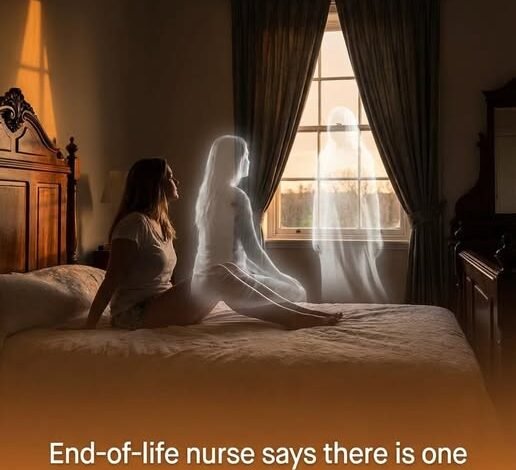
People who work in hospice care spend their days in close contact with individuals approaching the final stage of life. Their role is not only medical but also deeply human — helping patients remain comfortable while supporting families through one of life’s most difficult transitions.
Because hospice professionals witness these moments regularly, they often notice patterns that many others may not be aware of. One hospice nurse recently shared an observation that appears surprisingly often in patients nearing the end of life.
While every individual’s experience is unique, this behavior has been described by caregivers across many hospice settings.
Understanding it can offer insight into the emotional and psychological processes that sometimes occur during a person’s final days.
What Hospice Care Focuses On
Hospice care is designed for individuals who are facing serious illness and who have reached a stage where the primary focus shifts from curative treatment to comfort and quality of life.
Medical teams work to manage pain and symptoms while also providing emotional and psychological support to patients and their families.
Unlike hospital settings, hospice environments often emphasize calm surroundings and meaningful connections. Conversations, memories, and quiet moments with loved ones become central parts of daily life.
Within this environment, caregivers sometimes notice behaviors that appear to reflect how people process the final stage of their lives.
A Behavior Caregivers Frequently Observe
According to hospice professionals, some patients begin speaking about seeing or interacting with loved ones who have already passed away.
In certain cases, individuals may describe conversations with family members who are no longer alive. Others report sensing the presence of someone they once knew, even though no one else in the room can see them.
For families witnessing these moments, the experience can feel both surprising and emotional.
Hospice caregivers note that such observations occur frequently enough that they are recognized as a common phenomenon near the end of life.
How Experts Interpret These Experiences
Medical and psychological experts offer several possible explanations for why this behavior occurs.
One possibility relates to how the brain processes memory and emotion during the final stages of life. As the body undergoes significant physical changes, the mind may revisit deeply meaningful relationships and memories.
These memories can become vivid enough to feel almost like real interactions.
Another explanation involves the way the brain responds to stress, fatigue, and changes in oxygen levels or medication. These factors can sometimes influence perception and awareness.
Regardless of the exact cause, hospice professionals emphasize that these experiences often appear peaceful rather than distressing for the patient.
Why These Moments Can Be Meaningful for Families
Families who witness these interactions sometimes describe them as comforting, even when they do not fully understand them.
If a patient speaks about seeing a parent, spouse, or sibling who passed away years earlier, loved ones may interpret the moment as a sign that the person is finding emotional closure.
For others, it may simply represent the mind revisiting important relationships at a time when memories become especially significant.
Hospice workers often encourage families to respond calmly and supportively rather than trying to challenge what the patient is experiencing.
Listening and offering reassurance can help maintain a peaceful atmosphere during an already sensitive time.
The Emotional Role of Hospice Professionals
Hospice nurses and caregivers frequently develop strong emotional awareness because of the unique environment in which they work.
They see not only the medical aspects of illness but also the human moments that accompany life’s final stage.
Their observations often highlight how complex and personal the end-of-life experience can be.
Some patients remain fully alert and conversational until the very end, while others gradually become quieter or more introspective.
Each journey is different, but the goal of hospice care remains the same: ensuring comfort, dignity, and emotional support.
Why People Are Curious About End-of-Life Experiences
Stories shared by hospice professionals often attract attention because they touch on one of life’s most universal questions — what people experience during their final days.
While science continues to study these moments, many aspects of the end-of-life process remain deeply personal and not fully understood.
Observations from hospice workers provide a rare glimpse into experiences that most people encounter only a few times in their lives.
These insights help families prepare emotionally and remind caregivers that compassion and patience can make a meaningful difference during difficult moments.
A Reminder of the Importance of Compassion
Ultimately, hospice care is built on the idea that the final stage of life should be approached with respect, empathy, and understanding.
The behaviors observed by caregivers are not viewed as something to fear. Instead, they are treated as part of the complex emotional landscape that can accompany the end of life.
By focusing on comfort and human connection, hospice professionals help patients and families navigate a period that is both challenging and deeply meaningful.
And through their experiences, they offer valuable perspective on how compassion and presence can provide support when it matters most.