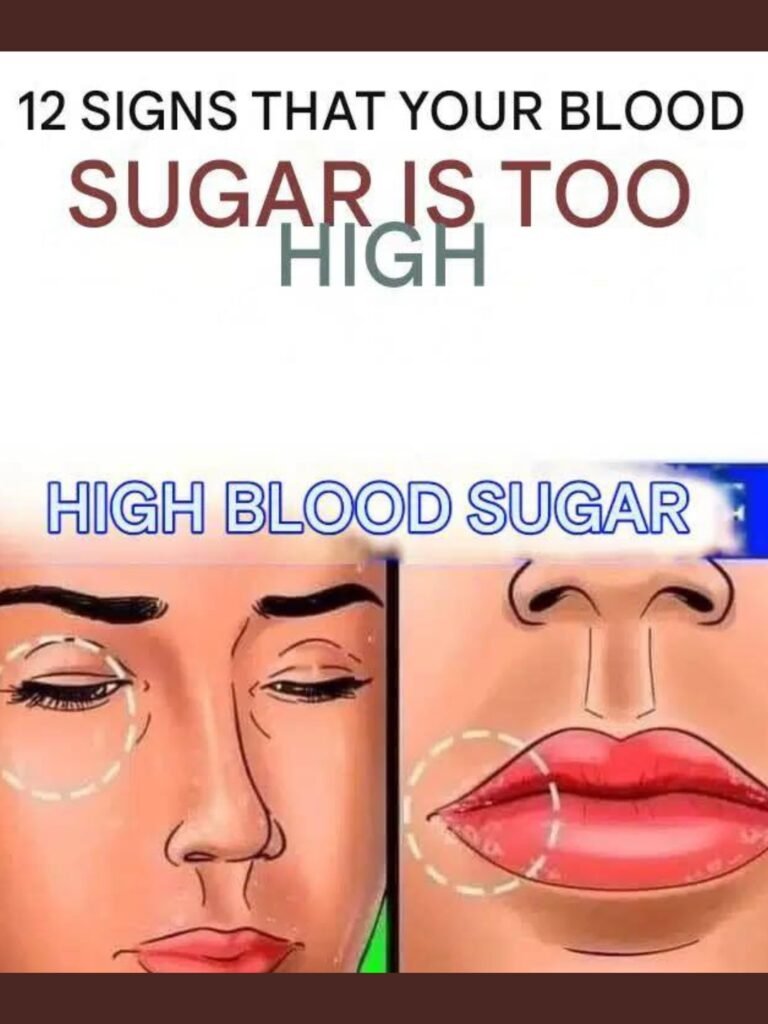
Most people imagine high blood sugar as something dramatic.
They think of emergency rooms.
Insulin injections.
Serious diagnoses.
In reality, elevated blood sugar often develops quietly.
For months — sometimes years — the body sends subtle messages that are easy to ignore. They don’t feel urgent. They don’t feel dangerous. They feel like “normal life.”
Until they aren’t.
Understanding these early signs can make the difference between prevention and long-term damage.
How Blood Sugar Becomes a Problem
Glucose is the body’s main fuel.
After you eat, carbohydrates break down into sugar, which enters the bloodstream. Insulin helps move that sugar into cells.
When this system stops working efficiently, sugar builds up in the blood.
That’s when damage begins.
Not suddenly.
Gradually.
Why Early Symptoms Are Often Missed
High blood sugar doesn’t always cause pain.
Instead, it causes inconvenience.
Fatigue.
Dry mouth.
Blurred vision.
Slow healing.
These feel like everyday problems.
People adapt instead of investigating.
1 — Constant Thirst That Doesn’t Go Away
When sugar rises in the blood, the kidneys try to flush it out through urine.
This leads to fluid loss.
Result: persistent thirst.
If you’re drinking often but never feel satisfied, it may be more than dehydration.
2 — Frequent Urination, Especially at Night
More sugar means more urine production.
People with high blood sugar often wake multiple times to use the bathroom.
Over time, this disrupts sleep and increases fatigue.
3 — Ongoing Fatigue Without Clear Cause
When sugar can’t enter cells properly, energy production drops.
You may feel:
- Drained
- Unmotivated
- Weak
- Foggy
Even after resting.
It’s exhaustion without explanation.
4 — Blurred or Fluctuating Vision
High sugar levels affect fluid balance in the eyes.
This temporarily changes lens shape, causing blurry vision.
It often comes and goes.
That makes it easy to dismiss.
5 — Slow Healing of Cuts and Bruises
Elevated glucose interferes with circulation and immune response.
Small wounds take longer to close.
Infections linger.
Minor injuries become persistent.
6 — Tingling or Numbness in Hands and Feet
Excess sugar damages nerves over time.
Early nerve damage feels like:
- Pins and needles
- Burning
- Numbness
- Sensitivity
These sensations often start subtly.
7 — Increased Hunger Despite Eating
When sugar can’t enter cells, the body feels “starved.”
It signals hunger even when calories are sufficient.
This creates a cycle of overeating.
8 — Dry, Itchy Skin
Dehydration and poor circulation affect skin health.
Many people notice:
- Flaking
- Tightness
- Itching
- Frequent irritation
Especially on legs and arms.
9 — Recurring Infections
High sugar weakens immune defenses.
Common patterns include:
- Frequent colds
- Urinary infections
- Skin infections
- Gum problems
Healing takes longer.
10 — Unexplained Weight Changes
Some people lose weight unintentionally as cells fail to use glucose.
Others gain weight from insulin resistance.
Both can signal imbalance.
11 — Brain Fog and Poor Concentration
The brain depends on stable glucose.
Fluctuations impair focus, memory, and mental clarity.
Many people blame stress.
But sugar instability is often involved.
12 — Mood Changes and Irritability
Blood sugar swings affect neurotransmitters.
This can cause:
- Anxiety
- Irritability
- Low mood
- Restlessness
Emotional changes sometimes appear before physical ones.
Who Is Most at Risk
Risk increases with:
- Family history
- Sedentary lifestyle
- Poor diet
- Obesity
- Chronic stress
- Age
But anyone can develop imbalance.
No group is immune.
Why Early Detection Matters
Unchecked high sugar damages:
- Blood vessels
- Nerves
- Kidneys
- Eyes
- Heart
Prevention is far easier than reversal.
Small changes early protect decades of health.
What Helps Stabilize Blood Sugar
Simple habits make a major difference:
- Balanced meals
- Regular movement
- Adequate sleep
- Stress management
- Routine checkups
No extreme measures required.
Consistency matters most.
The Danger of “Waiting Until It’s Serious”
Many people delay testing.
They assume symptoms will worsen first.
Often, damage occurs silently.
By the time pain appears, progression is advanced.
Awareness is protection.
The Calm Takeaway
High blood sugar rarely announces itself loudly.
It whispers first.
Through thirst.
Through fatigue.
Through blurred vision.
Through subtle discomfort.
Listening early gives you power.
Not fear.
Not panic.
Just the opportunity to protect your future health.