Can something as simple as yeast erase wrinkles in just three minutes?
It sounds unbelievable.
No expensive creams.
No injections.
No procedures.
Just a kitchen ingredient and a bold promise.
Stories like this spread fast online because they touch on something universal: the desire to slow visible aging without complicated routines.
But what’s real — and what’s exaggerated?
Let’s look closely.
Why Yeast Became a Beauty Trend
Yeast isn’t new.
It has been used for centuries in:
- Bread making
- Fermentation
- Traditional remedies
- Nutritional supplements
In recent years, it has also entered the beauty conversation.
Why?
Because yeast is rich in:
- B vitamins
- Amino acids
- Antioxidants
- Minerals
- Proteins
These nutrients support skin health from the inside and outside.
That made yeast attractive to skincare enthusiasts.
What Happens When Yeast Touches Your Skin
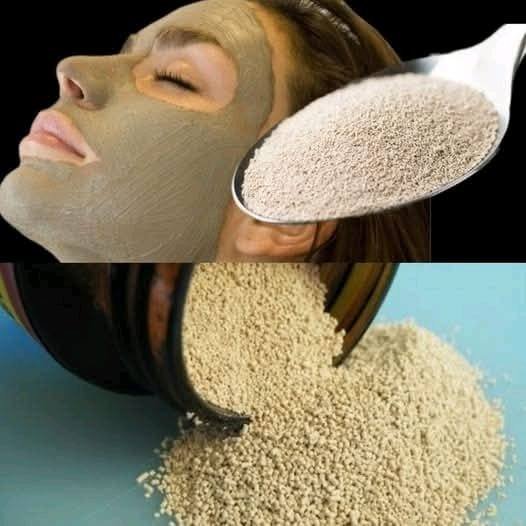
When yeast is mixed into a paste and applied to the face, several things happen quickly.
1. Temporary Tightening
As the mixture dries, it creates a tightening effect.
This can make skin feel firmer for a short time.
Fine lines appear smoother.
Pores look smaller.
Skin feels lifted.
But this is mechanical — not permanent.
It’s similar to how clay masks work.
2. Increased Hydration
Yeast contains compounds that attract moisture.
This can temporarily plump the skin.
Plumper skin reflects light better, making wrinkles less noticeable.
3. Surface Exfoliation
Some yeast masks gently remove dead skin cells.
This creates a smoother texture.
Smoother texture = fewer visible lines.
Again, temporary.
Why “3 Minutes” Sounds So Convincing
Short timeframes feel powerful.
They promise instant results.
But in skincare, true structural change doesn’t happen in minutes.
Real wrinkle reduction involves:
- Collagen production
- Cell renewal
- Elastic fiber repair
- Long-term hydration
These processes take weeks or months.
Not minutes.
So when people see “results,” they’re seeing surface effects.
Not deep change.
The Role of B Vitamins in Skin Health
Yeast is rich in B-complex vitamins, especially:
- B2
- B3
- B5
- B7
These support:
- Skin repair
- Barrier function
- Oil balance
- Cell regeneration
Over time, good nutrition improves skin quality.
That’s where yeast can help — indirectly.
Through diet or supplements.
Not instant masks.
Can Yeast Help Aging Skin Long-Term?
Possibly — in limited ways.
Internal Use
When consumed safely as nutritional yeast, it may support:
- Better cell turnover
- Reduced inflammation
- Improved energy metabolism
- Healthier skin tone
These effects are gradual.
They support skin from within.
External Use
Topical yeast may help with:
- Mild dullness
- Dryness
- Temporary firmness
But it cannot rebuild collagen.
That requires deeper biological processes.
Risks of DIY Yeast Masks
Not all skin reacts well to yeast.
Some people experience:
- Irritation
- Redness
- Itching
- Breakouts
- Allergic reactions
Especially sensitive or acne-prone skin.
Raw yeast can be unpredictable.
It may contain microorganisms that don’t belong on your face.
Patch testing is essential.
Why Older Skin Needs More Than Quick Fixes
As skin ages, it changes structurally.
It loses:
- Collagen
- Elastin
- Fat layers
- Moisture retention
No single ingredient can reverse this instantly.
Effective anti-aging focuses on:
- Sun protection
- Retinoids
- Antioxidants
- Moisturizers
- Gentle exfoliation
- Consistent routines
Yeast alone isn’t enough.
The Psychology Behind “Miracle” Remedies
People love natural shortcuts.
They feel safer.
Cheaper.
More personal.
Kitchen remedies offer hope without intimidation.
But hope shouldn’t replace realism.
Temporary improvements often feel like breakthroughs.
Until they fade.
What Dermatologists Generally Agree On
Most skin specialists say:
Yeast is not harmful in small amounts for many people.
It may offer mild benefits.
It does not remove wrinkles permanently.
They emphasize:
Consistency > quick fixes.
Healthy skin is built daily.
Not in three minutes.
Better Ways to Support Aging Skin
If wrinkle reduction is your goal, proven strategies include:
Daily Sun Protection
UV damage is the main cause of wrinkles.
Sunscreen matters more than any mask.
Retinoids
They stimulate collagen.
Improve texture.
Reduce fine lines.
Backed by decades of research.
Hydration
Well-moisturized skin looks smoother instantly.
And stays healthier long-term.
Nutrition
Protein, vitamins, antioxidants, and hydration all affect skin.
Beauty starts internally.
Sleep and Stress Control
Poor sleep and chronic stress accelerate aging.
No mask can fix that.
Where Yeast Can Fit In
Yeast isn’t useless.
It can be:
- A mild skin refresher
- A temporary smoothing mask
- A nutritional supplement (when appropriate)
- Part of holistic care
Just not a miracle.
Used occasionally, it may enhance glow.
Relied on alone, it disappoints.
Why These Claims Keep Going Viral
They promise:
- Speed
- Simplicity
- Low cost
- Control
In a world where aging feels uncontrollable, that’s powerful.
People share what they want to believe.
Not always what’s true.
Aging Well Is About Accumulation
Good skin is built slowly.
Through thousands of small choices:
Water.
Sleep.
Sun protection.
Nutrition.
Gentle care.
Consistency.
No single ingredient replaces that.
The Real Truth About “Wrinkle Removal”
Yeast does not remove wrinkles in minutes.
It can temporarily improve appearance.
It cannot change skin structure.
Understanding this protects you from disappointment — and wasted effort.
A Calm Perspective on Natural Beauty
Natural remedies can be supportive.
They connect us to tradition.
Encourage self-care.
Reduce dependency on harsh chemicals.
But they work best when paired with science.
Not instead of it.
The Bottom Line
Yeast may make your skin feel smoother and firmer for a short time.
It may support overall health when used properly.
But lasting wrinkle reduction comes from consistency, protection, and patience.
Not shortcuts.
And that truth, while less exciting, is far more reliable.