It usually starts small.
A faint yellow line. A slight thickening at the edge. Something you notice only when the light hits your foot a certain way. Most people ignore it at first, assuming it will disappear on its own.
It rarely does.
Toenail fungus develops slowly and quietly, often spreading for months before anyone takes it seriously. By the time many people seek help, the nail has already changed shape, color, and texture.
For those hoping to avoid medical treatments, home remedies are often the first option. Some help. Many don’t. Knowing the difference matters.
How Nail Fungus Takes Hold
Fungal infections thrive in warm, moist environments.
Shoes trap heat. Socks hold moisture. Small cracks in the nail create entry points. Gyms, pools, and shared showers provide easy exposure.
Once established, fungus lives beneath the nail, protected from surface treatments. This makes elimination difficult.
The problem is not just cosmetic. Untreated infections can spread and weaken nails over time.
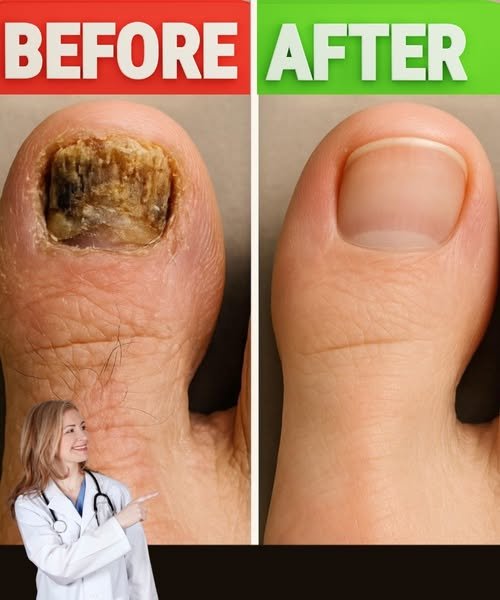
Why “Before and After” Stories Are Misleading
Online photos often promise dramatic transformations.
Perfect nails.
Quick timelines.
Effortless cures.
Reality is slower.
Toenails grow slowly — often taking a year to fully replace themselves. Any real improvement happens gradually as healthy nail replaces infected sections.
Instant results are usually illusions.
Remedies That Sometimes Help
Some home approaches can support mild cases.
Commonly used options include:
- Tea tree oil (antifungal properties)
- Vinegar soaks (acidic environment)
- Baking soda (moisture control)
- Proper trimming and filing
These methods may slow fungal growth and improve appearance when used consistently.
They rarely eliminate deep infections alone.
What Makes Treatment Fail
Many people quit too early.
They apply treatments for weeks, see minor improvement, and stop. The fungus remains beneath the nail and slowly returns.
Other common mistakes include:
- Inconsistent application
- Poor foot hygiene
- Reusing contaminated tools
- Wearing damp footwear
Without changing habits, treatments struggle to work.
The Importance of Nail Care
Healthy nails resist infection.
Regular trimming, gentle filing, and cleaning under nails reduce fungal hiding places. Keeping feet dry and changing socks daily further limits growth.
Small routines create long-term protection.
When Home Remedies Are Not Enough
Advanced infections often require medical treatment.
Prescription antifungal medications reach the nail bed through the bloodstream or specialized lacquers. These options have higher success rates for stubborn cases.
Delaying professional care can prolong recovery.
Understanding Real Progress
Improvement looks subtle.
Clear nail begins growing from the base.
Discoloration slowly retreats.
Thickness decreases gradually.
Setbacks are common.
Progress is measured in months, not days.
Preventing Reinfection
Even after recovery, risk remains.
Preventive habits include:
- Disinfecting nail tools
- Wearing breathable shoes
- Using antifungal sprays
- Avoiding barefoot walking in public showers
Prevention protects effort.
The Emotional Side of Nail Conditions
Many people feel embarrassed by nail fungus.
They avoid sandals.
Hide their feet.
Delay seeking help.
These reactions are common — and unnecessary. It is a widespread condition, not a personal failure.
A Realistic View of Home Treatment
Home remedies can support mild infections and early stages. They require patience, discipline, and realistic expectations.
They are not magic solutions.
But when combined with proper hygiene and consistency, they can be part of recovery.
What “Before and After” Really Means
True change happens quietly.
A millimeter of clear nail.
A slight reduction in thickness.
A steady pattern of care.
That is how healing looks.
Slow.
Unremarkable.
Effective.
And over time, enough.