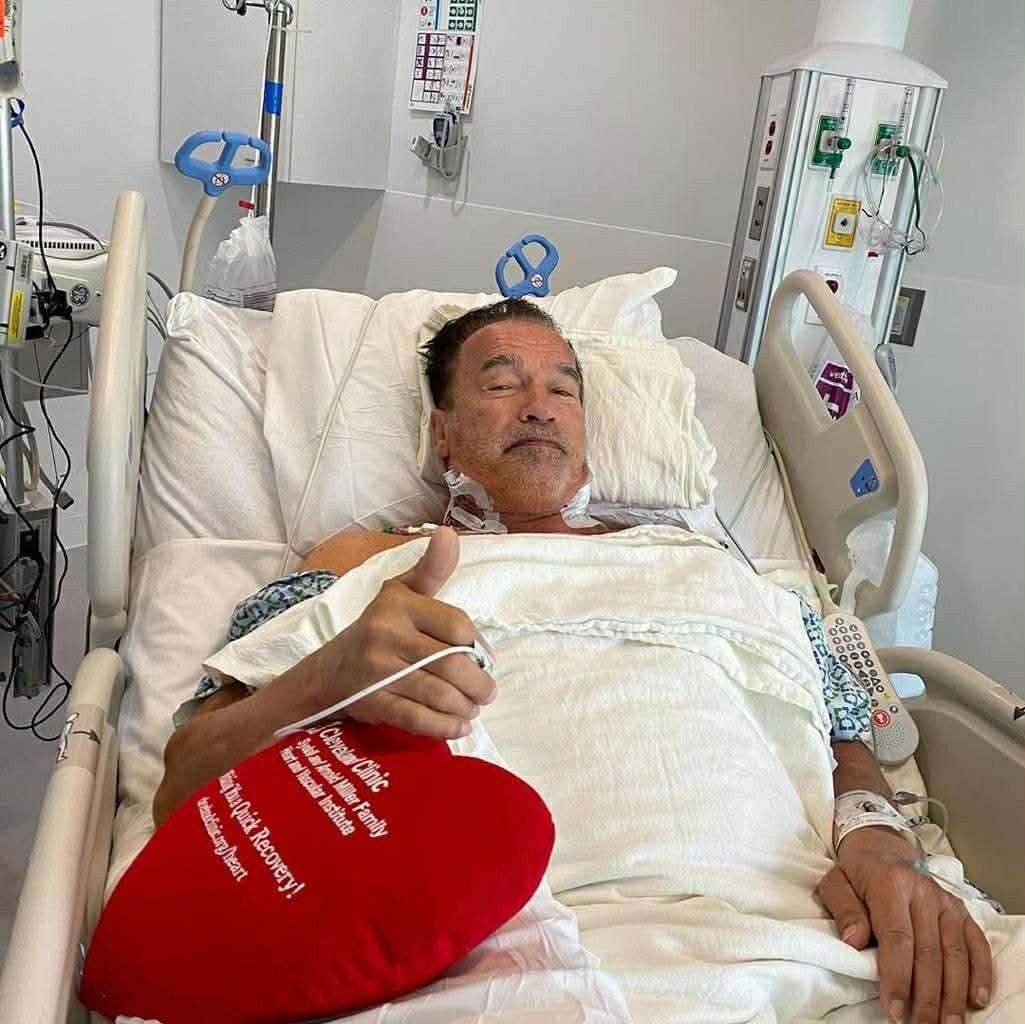
Reports claiming that Arnold Schwarzenegger has been hospitalized in “critical condition” have circulated widely online, drawing concern and confusion among fans. But how accurate are these claims—and what is actually known about his health?
The short answer: there is no credible, recent evidence confirming that Schwarzenegger is currently in critical condition. Instead, many of these viral headlines appear to recycle or exaggerate past medical events.
Where the Claims Are Coming From
Articles and social media posts often use alarming language—phrases like “critical condition” or “rushed to hospital”—without clear sourcing or updated facts.
In many cases, these headlines are tied to older health incidents or vague, unverified posts. Some links lead to low-credibility pages or incomplete information, rather than confirmed reports from reliable outlets.
This creates a gap between what is being claimed and what is actually documented.
His Real Medical History
Arnold Schwarzenegger has openly spoken about his health over the years, particularly regarding a genetic heart condition.
He was born with a bicuspid aortic valve, a condition that has required multiple medical procedures throughout his life.
These include:
- A valve replacement surgery in 1997
- A major heart surgery in 2018 after complications
- Another procedure in 2020
- A pacemaker implantation in 2024
Despite the seriousness of these interventions, the outcome has consistently been stable recovery—not ongoing critical condition.
In fact, after his most recent procedure, Schwarzenegger himself stated he was “doing great” and returned to public activities within days.
Why These Headlines Spread So Fast
There are a few reasons why stories like this gain traction quickly:
1. Familiar Name, Immediate Attention
Arnold Schwarzenegger is a global figure. Any mention of his health instantly draws interest.
2. Real Past Events
Because he has had legitimate heart surgeries in the past, misleading headlines feel believable.
3. Vague or Click-Driven Wording
Phrases like “see more” or incomplete details encourage clicks—but often leave out context or timing.
The result is a mix of truth and exaggeration that can easily mislead readers.
The Difference Between “Serious” and “Critical”
Medical language matters.
A planned surgery—even a complex one—does not mean someone is in critical condition. In Schwarzenegger’s case, past hospitalizations were typically procedural and controlled, not emergency situations with unknown outcomes.
For example, his 2018 surgery became serious due to complications, but he was later reported to be in stable condition and recovering.
That distinction is often lost in viral headlines.
A Pattern of Recovery, Not Decline
One consistent detail across verified reports is this: Schwarzenegger recovers—and quickly.
Even after multiple heart-related procedures, he has continued working, appearing publicly, and maintaining an active lifestyle.
His own statements emphasize monitoring his condition, following medical advice, and staying proactive about health.
This paints a very different picture from the one suggested by dramatic headlines.
Why Accuracy Matters in Health Reporting
Stories about someone’s health—especially serious ones—carry weight.
When details are unclear or exaggerated, it can create unnecessary panic, spread misinformation, and reduce trust in legitimate reporting.
For public figures, it also means their real experiences can be overshadowed by speculation.
In this case, the available evidence suggests caution: not every alarming headline reflects a current or verified situation.
A Measured Perspective
Arnold Schwarzenegger’s health history is real, and it includes serious medical procedures. But it is also a story of ongoing management, recovery, and resilience.
The recent claims of him being in critical condition do not align with confirmed, up-to-date information.
And in a media environment where speed often outweighs accuracy, that distinction matters more than ever.