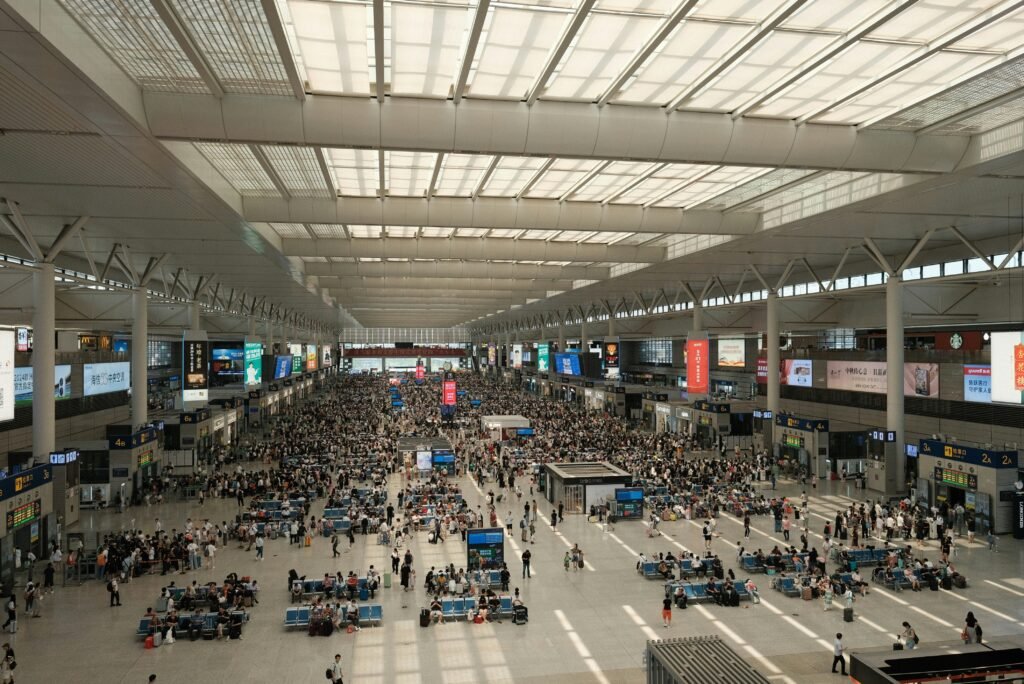
Airports are among the most complex transportation hubs in the world. Every day, thousands of passengers move through terminals, flights take off and land within minutes of each other, and countless operations work together to keep air travel running smoothly. But when an unexpected emergency occurs, that delicate system can quickly be disrupted, creating scenes that many travelers describe as chaotic.
Recent incidents at major airports across the United States have highlighted how quickly a normal travel day can turn into a stressful experience for passengers and staff alike. From sudden security alerts to emergency landings and weather-related shutdowns, the word “airport chaos” often trends online when large crowds face delays or unexpected events.
Why Airports Can Become Chaotic So Quickly
Airports operate on tight schedules. When even a small disruption occurs, it can quickly ripple through the entire system.
For example, if a single flight must delay its departure due to a technical inspection, the aircraft may miss its slot in the takeoff schedule. That delay can then affect other flights waiting to depart, forcing airlines to adjust gate assignments and reschedule crews.
Weather is one of the most common causes of sudden airport disruptions. Thunderstorms, heavy snow, and strong winds can force air traffic controllers to reduce the number of flights that can safely take off or land within a certain period.
Security incidents can also trigger large-scale disruptions. If authorities receive a suspicious report, parts of a terminal may need to be temporarily cleared while security teams investigate. Although most of these incidents are resolved quickly, the temporary pause can cause long lines, missed connections, and significant stress for travelers.
Emergency Landings and Safety Protocols
One situation that often leads to sudden airport tension is an emergency landing.
Commercial pilots are trained extensively to handle unexpected situations in flight. If a mechanical warning appears in the cockpit or a passenger experiences a medical emergency, pilots may decide to divert to the nearest suitable airport.
When this happens, airport emergency teams are placed on standby. Fire trucks, medical personnel, and airport safety officers position themselves near the runway as the aircraft approaches. While this is a standard safety precaution, passengers in the terminal may notice the increased activity and assume something dramatic is unfolding.
In reality, many emergency landings are precautionary and result in safe outcomes.
Passenger Reactions During Airport Disruptions
When unexpected events occur at airports, passengers often turn to social media to share what they are experiencing.
Photos of crowded terminals, delayed departure boards, or emergency vehicles near runways can quickly go viral online. These images sometimes create the impression that the situation is more serious than it actually is.
Travel experts say that while disruptions can be frustrating, airport authorities and airline crews follow strict procedures designed to keep passengers safe at all times.
Communication is also improving. Many airlines now use mobile apps to update travelers instantly when delays or changes occur, helping passengers understand what is happening.
How Airports Manage Large-Scale Disruptions
Airports have crisis management plans designed to respond quickly when unexpected events occur.
These plans involve coordination between multiple groups, including:
- Air traffic control
- Airline operations teams
- airport security
- emergency response crews
- local law enforcement
By working together, these teams can often resolve situations faster than passengers realize.
For instance, if a suspicious item is reported in a terminal, security teams may isolate the area while allowing other parts of the airport to continue operating. Once authorities confirm the situation is safe, normal operations resume.
Tips for Travelers During Airport Delays
Travel experts recommend several steps passengers can take when facing unexpected airport disruptions.
First, remain calm and monitor official announcements from airlines or airport staff. Social media rumors can spread quickly and may not reflect the real situation.
Second, check airline apps or flight tracking services for updates about your flight. Many airlines now provide real-time notifications about delays, gate changes, and boarding times.
Finally, allow extra travel time when possible, especially during busy travel seasons or when severe weather is forecast.
The Bigger Picture
While viral posts about “airport chaos” can make disruptions seem dramatic, the reality is that aviation remains one of the safest forms of transportation.
Thousands of flights take off and land safely every day around the world. When unusual events do occur, the systems and training in place are designed to protect passengers and resolve problems as quickly as possible.
For travelers, understanding how airports operate during unexpected situations can make the experience less stressful and help separate real concerns from online exaggeration.