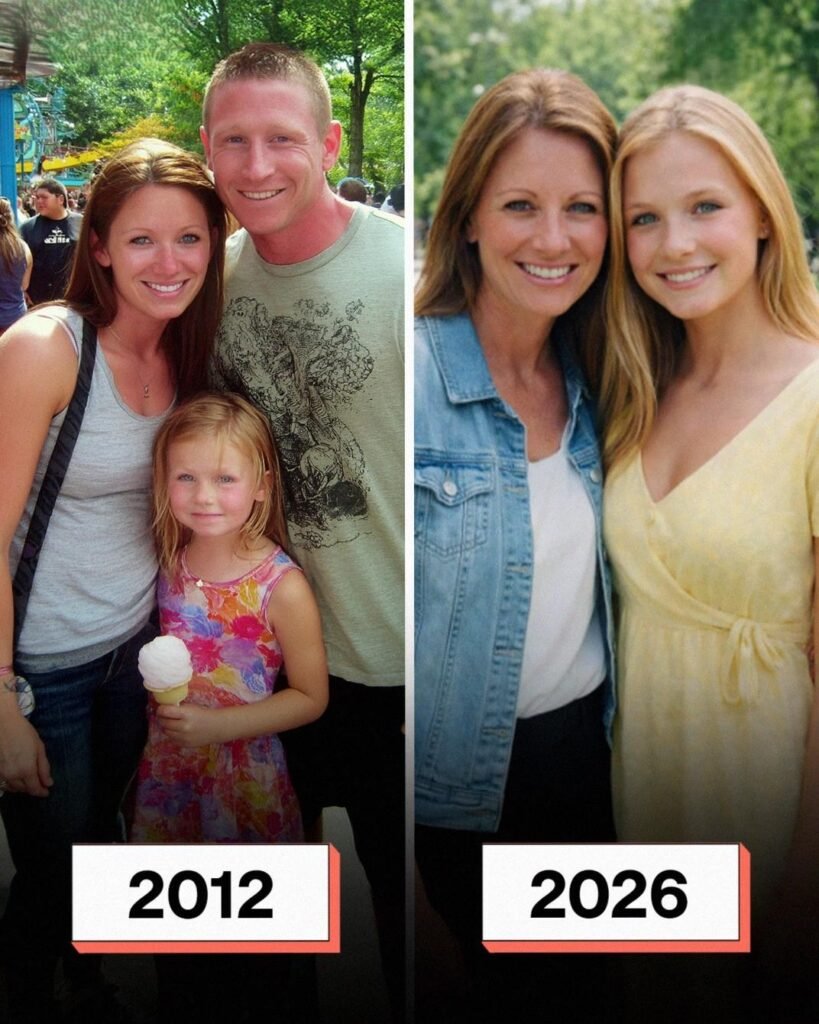
Losing a parent at a young age creates a silence that follows you into adulthood. Questions remain unanswered, memories feel incomplete, and understanding often arrives long after childhood has passed. For many people raised by someone who stepped into that loss, the story of family becomes layered—shaped by absence, effort, and quiet resilience.
This is a story about grief, choice, and a message left behind that reframed an entire life.
Growing Up Without a Father — and With a Choice Made for Me
When my father died, I was six years old. Old enough to feel the loss, but too young to understand what it meant for the rest of my life. What I did understand was that everything changed at once.
The person who stayed was my stepmother.
She wasn’t obligated by biology. There was no requirement written into law or blood. What she carried was responsibility, commitment, and a decision she made when walking away would have been easier.
She became the one who raised me.
What It Means to Be Chosen, Not Assigned
As a child, I didn’t see the difference between a parent who is born into the role and one who chooses it. I only knew consistency. Meals, school days, boundaries, encouragement, and quiet reassurance.
Only later did I realize the weight of that choice.
Raising a grieving child is not simple. It requires patience with emotions that don’t always make sense and loyalty to someone who can’t yet articulate gratitude. My stepmom carried that weight without asking for recognition.
The Unspoken Questions That Follow You Into Adulthood
As I grew older, questions about my father surfaced in new ways. What kind of man was he? What did he hope for me? Did he know how much his absence would shape my life?
These questions don’t fade with time. They evolve.
Without answers, you build stories in your head—some comforting, some heavy. And you learn to live with uncertainty as a permanent companion.
The Letter That Changed Everything
Years later, I discovered a letter my father had written before he passed.
It wasn’t dramatic or polished. It wasn’t a final speech. It was personal, direct, and deeply human. In it, he spoke about fear, love, and hope. He acknowledged that he might not be there to raise me—and that someone else might have to step into that role.
What stood out most was this: he trusted my stepmom completely.
He wrote about gratitude. About believing she would protect me, guide me, and love me in the ways he no longer could. He didn’t frame her as a substitute. He framed her as a continuation.
Seeing the Past Through a New Lens
That letter changed how I saw my childhood.
Moments I once viewed as obligation suddenly looked like intention. Discipline felt like care. Sacrifice felt deliberate. What I once assumed was duty revealed itself as devotion.
It also softened my understanding of loss. My father didn’t leave blindly. He left with trust.
The Quiet Power of Stepparents
Stepparents often live in a strange emotional space. They are central to daily life but peripheral in stories. Their work is constant, but their recognition is conditional.
Yet many of them carry families through the hardest chapters—without guarantees, without applause, and without certainty that their effort will ever be fully understood.
This story is a reminder that family is often built through action, not origin.
Grief Doesn’t End — It Integrates
Discovering the letter didn’t erase grief. It reshaped it.
Grief doesn’t disappear with answers, but it becomes more manageable when meaning replaces confusion. Understanding my father’s intentions helped me integrate his absence into my identity rather than feel defined by it.
A New Kind of Gratitude
The letter didn’t just bring me closer to my father. It deepened my gratitude for the woman who raised me.
She didn’t just fill a gap. She honored a promise she never formally made—and did so for years, quietly and consistently.
A Calm Conclusion
Some messages arrive exactly when they’re needed, even if they’re written long before. This letter didn’t change the past, but it changed how the past lived inside me.
It reminded me that love can be passed forward through trust, and that the people who stay are often carrying more than we realize.
Family, in the end, is not only about who begins the story—but who continues it.