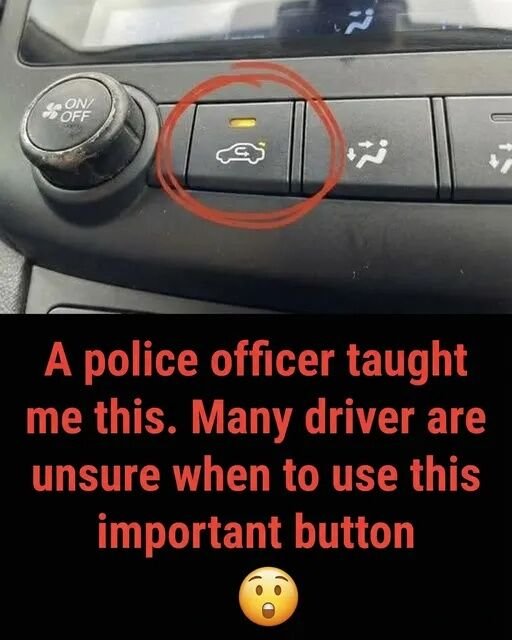
What the Air Recirculation Button Really Does — And Why It Matters for Your Drive
You’re behind the wheel, the car’s climate control lights blink, and there’s that little symbol of a car with a looping arrow inside it. Most drivers know it as the air recirculation button — but few fully understand what it does and when to use it.
Is it just a fancy feature? Or does it actually change your driving experience, comfort, and even your health?
Let’s break down the science in a way that makes sense — whether you’re commuting, road-tripping, or stuck in traffic.
Recirculation vs. Fresh Air: What’s the Difference?
Your vehicle’s ventilation system has two main modes:
1. Fresh Air Mode
This brings outside air into the cabin.
- Helps reduce fogging on windows
- Introduces oxygen-rich air
- Balances smell and humidity
It’s ideal on cool, clean-air days.
2. Recirculation Mode
This keeps interior air inside the car and limits the intake of outside air.
- The system loops the same air
- HVAC doesn’t have to pull more from outside
- It can cool or heat the cabin faster
Each mode affects airflow, temperature, and comfort differently — and knowing when to use which one is key.
Why Recirculation Helps Cool Down Faster
Think of recirculation like keeping hot soup in a closed thermos.
When the car is new to heat — like after sitting in the sun — outside air is hot and energy-draining.
Recirculating the interior air lets your AC cool the already cooler air that’s inside the cabin. As a result:
- The system works more efficiently
- The cabin reaches your set temperature quicker
- Energy is used more effectively
That translates into comfort and less strain on your vehicle’s climate system.
When Recirculation Is a Smart Move
1. Traffic Jams and Urban Driving
In stop-and-go conditions, steering fresh outside air through your system can bring in exhaust fumes, dust, and pollutants.
Recirculation helps keep:
- Car exhaust out
- Smoke and smell minimized
- Cabin air cleaner
This is especially helpful during rush hours near busy intersections.
2. Extreme Heat or Cold
When it’s very hot or very cold outside, pulling in outside air forces your HVAC system to work harder.
Recirculation lets the system reuse air you’ve already cooled or heated, reducing energy loss.
That means:
- Faster comfort
- Less stress on your AC or heater
- Lower fuel usage on older or non-electric vehicles
Why You Shouldn’t Use It All the Time
As convenient as it is, recirculation isn’t always best — particularly over long drives.
1. Oxygen Levels Drop Over Time
Recirculation doesn’t bring in fresh air.
That means:
- Carbon dioxide can build up
- You may feel tired or drowsy
- Window fogging becomes more likely (especially in cold weather)
This is because the same air is constantly looping without replenishment.
2. Moisture and Fogging
Humidity rises inside a closed cabin — especially when it’s cool outside and warm inside.
Fogged windows reduce visibility, which is not just uncomfortable — it’s unsafe.
Fresh air helps balance moisture levels.
How to Use It Smartly
Here are quick guidelines for when to press that button:
✔ Use Recirculation
- In heavy traffic
- When smell or pollution is high
- When cooling down after parking in heat
- During short errands
✔ Switch to Fresh Air
- On long drives
- When fog starts forming
- When occupants feel stuffy
- Every few minutes even while cooling
Balancing both gives you the best of comfort and air quality.
What Happens to Your HVAC System?
Recirculation mode doesn’t just affect temperature — it affects load.
In recirculation mode:
- The system doesn’t need to heat or cool incoming outside air
- It cycles interior air instead
- This reduces energy use and helps maintain stable cabin temperature
Experts often recommend toggling between modes to balance comfort and air quality.
What About Polluted Air Outside?
When smog, wildfire smoke, or dusty conditions are present, recirculation can act as a temporary filter — but it doesn’t clean the air on its own.
Some vehicles with advanced air filters or cabin air purification systems can make recirculation even more effective at maintaining cleaner interior air.
Are There Any Risks?
Mostly practical ones:
- Stale air buildup
- Window fogging
- Drowsiness on long drives
- Slight increase in humidity
None are dangerous if managed with fresh air breaks.
Calm Conclusion
The air recirculation button is more than a comfort feature. It’s a tool that:
- Controls temperature more efficiently
- Helps reduce pollutants on short drives
- Balances climate system workload
But it’s not a set-and-forget switch. Its best use depends on your environment, trip length, and comfort needs.
Understanding when and why to use it transforms it from a mystery button into a smart driving tool — helping you stay comfortable, alert, and safe on the road.